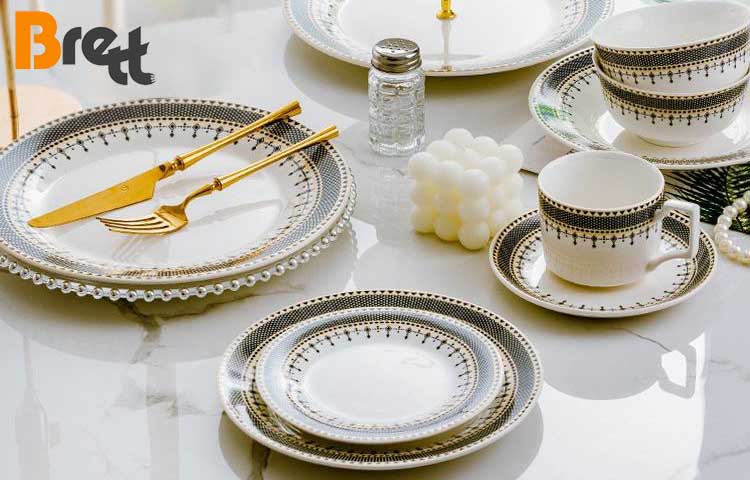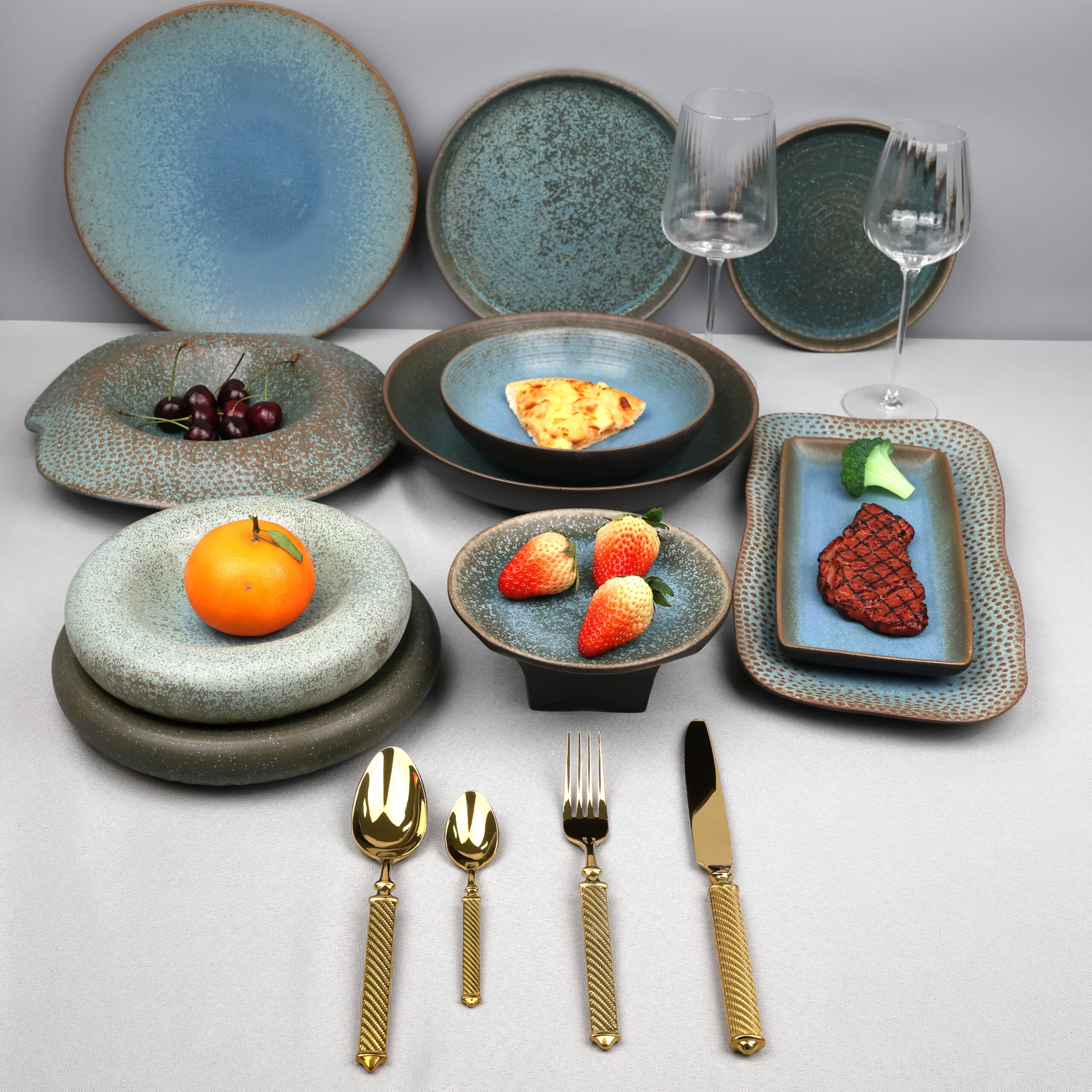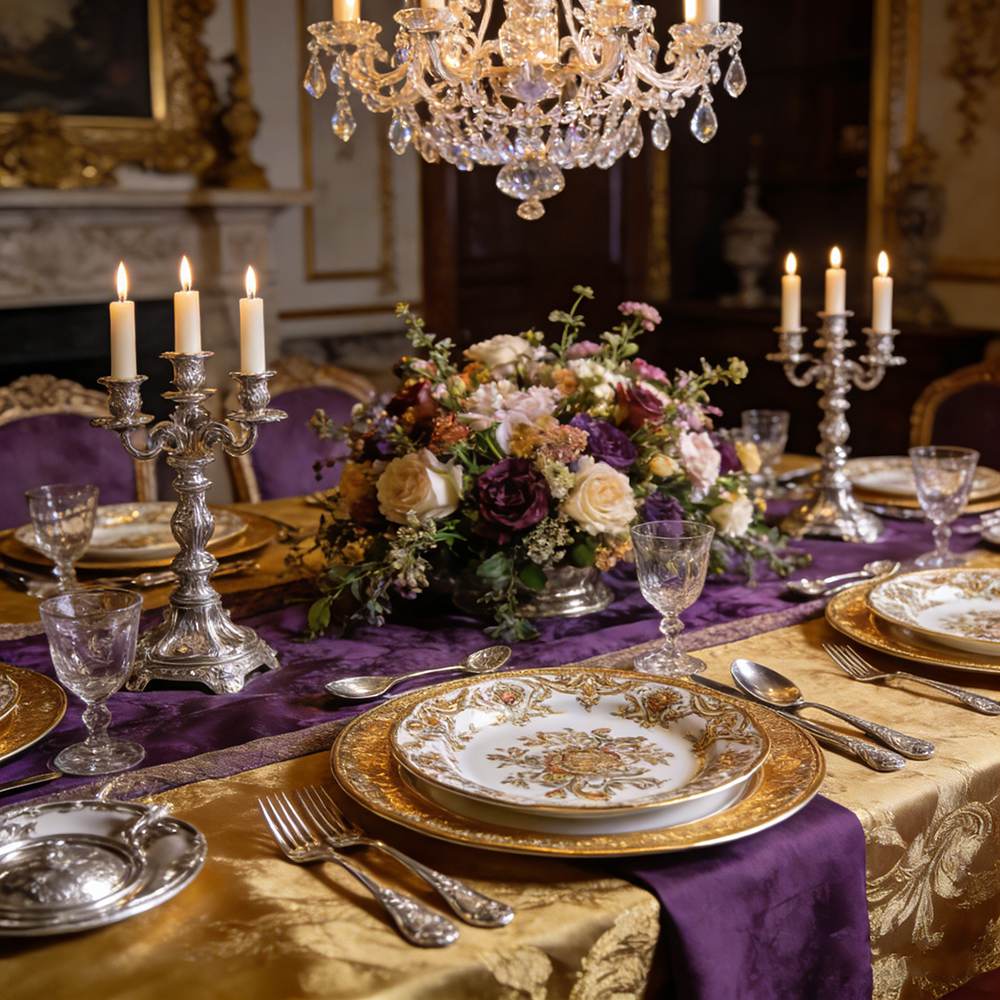
A formal event sets a tone the moment guests take their seats. Lighting, menu choices, and room design all contribute, but the table stays in front of guests from the first course through dessert. Formal dining dinnerware becomes part of that experience rather than a background element. Its material, weight, and finish communicate the level of care behind the event. Picture a plated dinner at a black-tie reception, award ceremony, or charity event. Guests remain seated for hours, courses arrive at a measured pace, and the tableware is present throughout. This guide explains how to select luxury event dinnerware for these settings, focusing on material selection and quality standards trusted by experienced planners and venues. Why Material Quality Matters When Choosing Formal Dining Dinnerware for Upscale Events At formal dinners, charity galas, and premium receptions, guests spend most of their time seated at the table. Every course arrives on the same plates, and the table stays in view throughout the formal event. That’s usually where questions about formal dining dinnerware start. Not how decorative it is, but how it holds up once service is underway. In upscale settings such as a private formal party, corporate reception, or anniversary celebration dinner, the dinnerware needs to feel right as soon as a guest picks it up. The weight, the balance, and the way the surface looks under event lighting all contribute to that impression. This is why planners working with fine dining plates prefer bone china dinnerware. It feels refined without feeling delicate, and it stays consistent across large guest counts. Material choice also plays into pricing. Venues using luxury event dinnerware can support higher package rates because the table feels considered and complete. Buyers usually look for clear quality markers as well, including food safety approval, commercial durability testing, and consistent manufacturing standards, so replacements later on don’t become a problem. Material Grades and Quality Standards for Formal Dining Dinnerware Different dinnerware materials perform differently under repeated service, close inspection, and formal presentation. Choosing formal dining dinnerware for upscale events starts with understanding material quality. Material Grades to Know When Selecting Luxury Event Dinnerware When buyers compare luxury event dinnerware, they’re really comparing how different materials feel, age, and hold up over time. Each option has its place, but not all belong in formal settings. Let’s take a look at the material grades to consider. Bone China (Premium Standard) Bone china dinnerware is the reference point for luxury formal dining plates. Plates stay thin without feeling fragile due to the bone ash in the clay. When guests handle the same plate style across multiple courses, bone china keeps its balance and finish. The color also matters in upscale events, so bone china’s soft white tone works comfortably under both warm and neutral lighting, which is why bone china shows up so often at black-tie receptions, award ceremonies, and formal anniversary celebrations. Vitrified Porcelain (High-Quality Alternative) Vitrified porcelain skips the bone ash but makes up for it with high firing temperatures that improve strength and reduce water absorption. In upscale events with larger guest counts, this material performs consistently through frequent washing and stacking. Many venues choose premium porcelain dinnerware sets in vitrified porcelain when they want a crisp white look and dependable durability at a lower cost than bone china. Stoneware (Context-Specific Use) Stoneware has a thicker body and a heavier feel, which works best for contemporary or chef-led concepts where a grounded, tactile plate fits the presentation. In traditional formal dining, though, its weight and surface texture usually feel out of place. For most upscale events, stoneware is better treated as a design choice rather than a standard option. Quality Certification Standards Buyers Should Check Before you commit to luxury event dinnerware, look into a few certifications. FDA Food Safety Compliance:Confirms lead and cadmium levels remain within safe limits for food service. NSF/ANSI 2 Certification:Verifies commercial durability through repeated dishwasher and handling tests. ISO 9001 Manufacturing Standards:Indicates consistent production and quality control across batches. Material Grades and What to Specify Beyond material type, upscale tableware is produced in different grades that affect thickness, consistency, and visual uniformity over time. Grade A:High density, refined thickness, minimal defects Grade B:Acceptable for standard service, moderate consistency Grade C:Budget-focused, not recommended for formal events The table below sums up the practical differences in materials buyers should know. Material Bone China Vitrified Porcelain Stoneware Ash Content 45 to 50% None None Strength 9/10 8/10 6-7/10 Lifespan 5-10 years 4-7 years 3-5 years Formal Perception Highest High Moderate Cost High Mid to high Low Aesthetic Options for Formal Dining Dinnerware at Upscale Events Once material is decided, aesthetics are where most buyers stop and second-guess themselves. Color, finish, and detailing all influence how formal dining dinnerware feels during a long seated event. The goal is to choose something that feels right even after three hours, four courses, and a room full of guests. White Formal Dining Dinnerware for Luxury Event Tables White remains the default for luxury event dinnerware, and for a good reason. It works with every cuisine, every menu change, and every lighting setup. That said, not all whites behave the same. Bright white can feel sharp under strong lighting. Off-white and eggshell tones are easier on the eye and feel more considered without drawing attention to themselves. These tones work especially well for formal receptions, charity events, and anniversary celebrations where photography and lighting play an important role. For buyers looking for longevity and aesthetics, this is usually the safest decision. Cream and Ivory Luxury Formal Dining Plates Cream and ivory sit just slightly warmer than white, which is why they feel comfortable in formal settings. These tones work especially well in evening events and pair naturally with metallic accents. For luxury formal dining plates, cream is chosen by venues that want refinement without formality. Light Neutral Upscale Tableware for Contemporary Events Soft gray, champagne, and pale taupe have become common in upscale tableware for modern formal events. They look clean and intentional when the