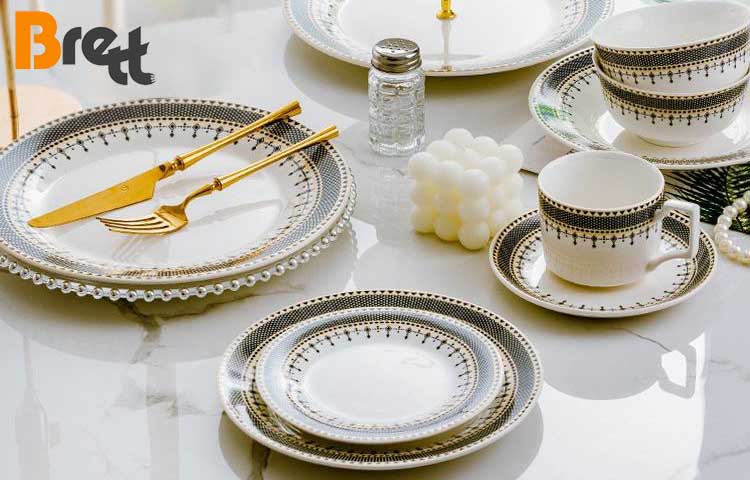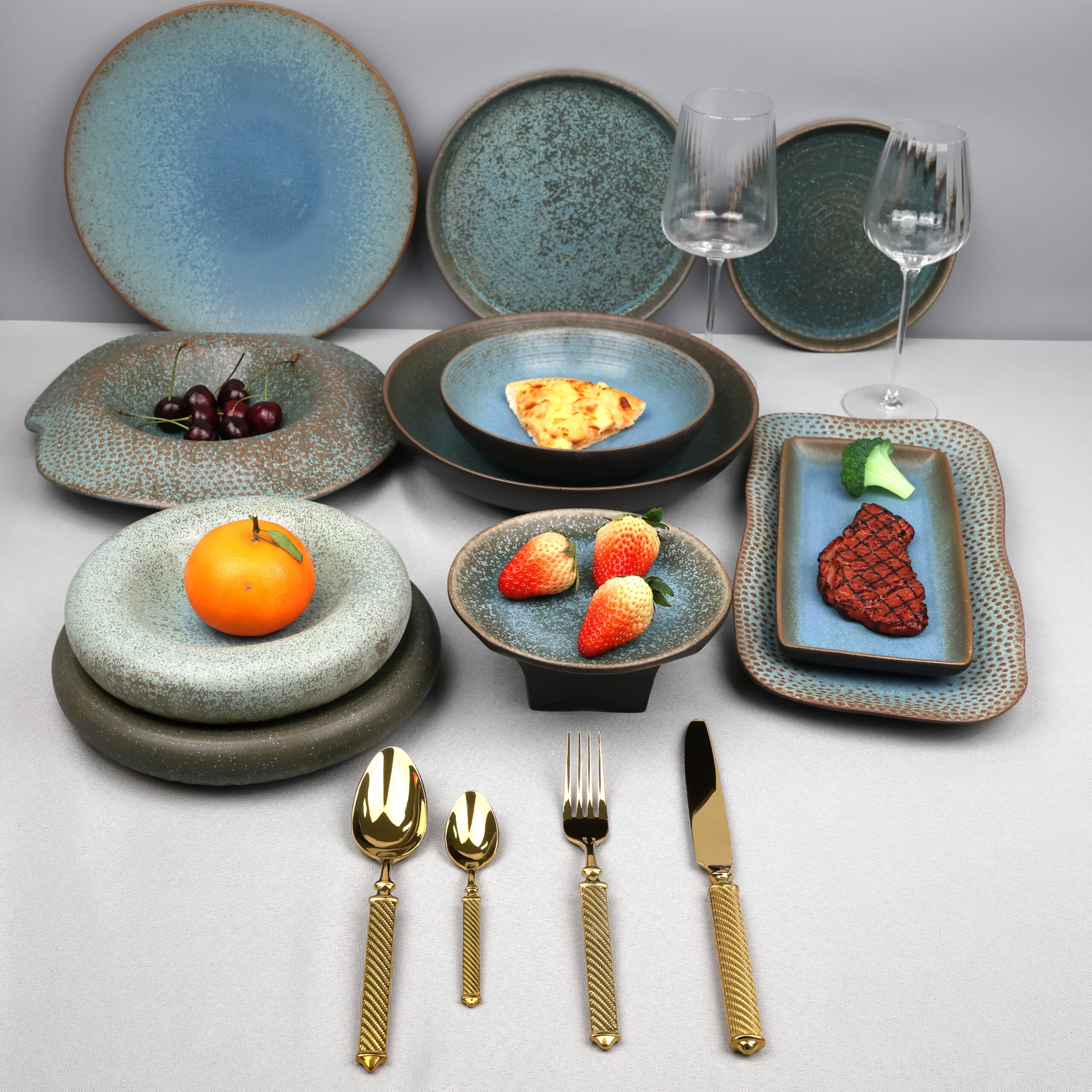
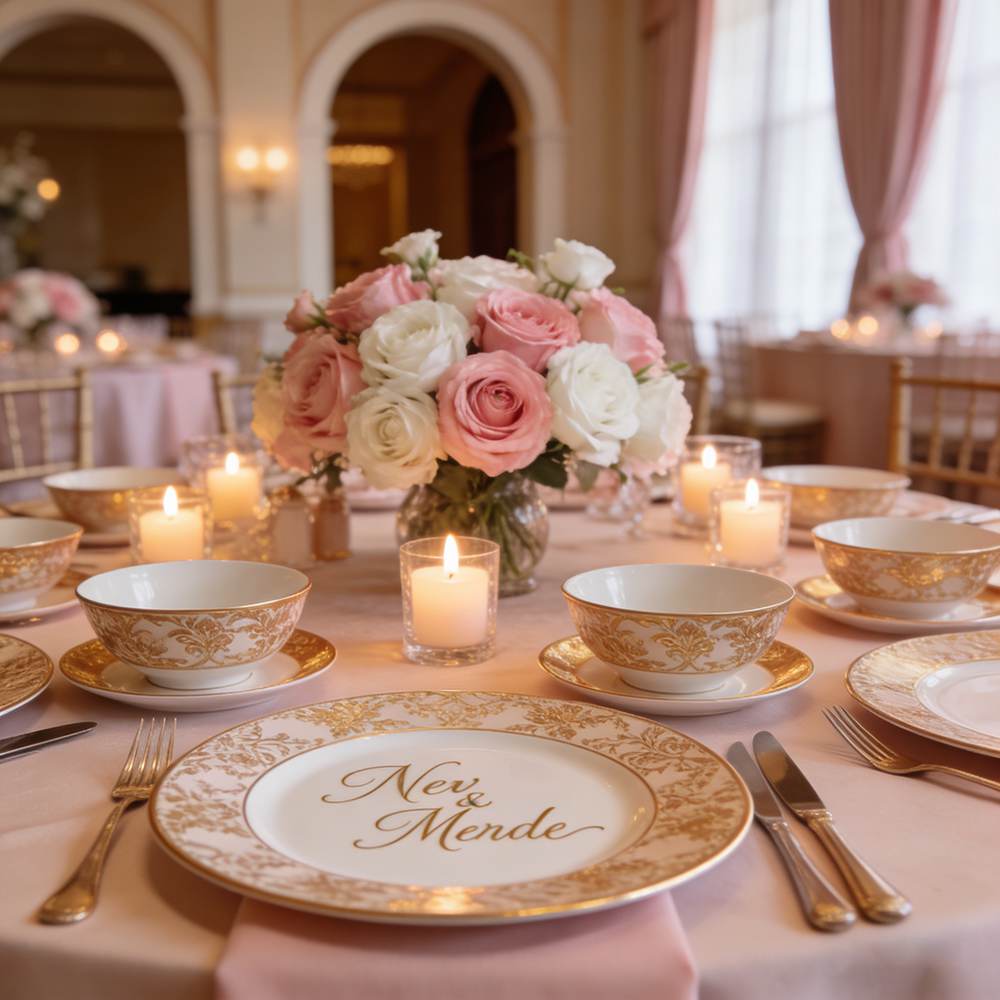
Weddings are one of the few moments where guests remember every detail, especially the table. Plates are part of the photographs, the first impression, and the story being told across the room. With branded hotel dinnerware and custom wedding dinnerware, hotels turn standard setups into something personal and polished. This guide explores how thoughtful customization fits naturally into hotel wedding packages, what it offers, and why it makes a difference. What Difference Does Dinnerware Make for Hotel Weddings? Custom dinnerware influences how wedding packages are perceived. It turns a standard banquet setup into something couples can feel was designed just for them. Here’s how. Custom Dinnerware and Perceived Value When couples walk into a reception, they read the room instantly. For instance, one plate carries a subtle logo, monogram, or design detail that matches the hotel’s identity, and the setup feels intentional. Custom dinnerware for hotels sits at a higher price point per piece compared to stock options, but the perceived value grows far beyond that difference. Guests notice the coordination, couples notice the care, and that impression carries through photos, videos, and reviews after the wedding ends. The Table Is Part of the Wedding Story Let’s think about the wedding experience. Plates are photographed with every course. They appear in close-up shots, flat-lays, and social posts. Custom wedding dinnerware becomes part of the visual story. When this happens, couples feel they’re getting something exclusive even when the overall package sits in the mid-range tier. Brand Identity on the Table With branded hotel dinnerware, the branding actually does not need to be loud. A subtle rim detail, a soft emblem, or a coordinated accent color is enough. Generic plates fade into the background while branded plates get mentioned in reviews as “attention to detail” or “everything felt thought through.” When it comes to comparing venues, these reviews stand out. Where Custom Dinnerware Completes the Package Wedding packages already promise cohesion. Linens match florals, and glassware matches table settings. Hotel wedding package dinnerware completes the picture. For example, when a couple tours two venues at a similar price level, the one with customized plates feels more premium without adding extras. When One Purchase Pays Off Across Seasons The investment sits at a higher price point upfront, but the life cycle spans several years. Now spread this across multiple weddings each season, the cost per event drops quickly. Hotels that use custom hotel tableware consistently see stronger bookings, conversations, more referrals, and reviews that highlight details competitors overlook. Customization Options and Design Choices Custom dinnerware has to feel intentional, put-together, and decorative. The right design choices help your wedding package look elevated while staying flexible across different couples and themes. Where Should the Logo Go? Logo placement changes how the plate looks overall. Take a look at different logo placements and their impact. Rim placement is the choice many hotels make. A logo or crest along the rim stays visible once the plate is set, works across common plate sizes, and keeps the food as the main focus. For example, during a plated dinner service, guests notice the detail without feeling distracted by it. This option gives a clean look that fits most hotel wedding packages. Center designs create a stronger visual statement. When couples care about photography and social sharing, this option stands out. That said, sizing matters. If the logo feels too large, it competes with the food. The style only works best for formal, plated menus where presentation is tightly controlled. Subtle accents suit hotels that lean toward classic or understated weddings. A small logo or date on the inner rim feels personal and refined. Many people prefer this because it feels like a subtle signature rather than branding. Full custom designs with borders, patterns, or illustrated details create a fully branded look. This option creates a higher price point and longer lead time, so it works best for hotels that want a signature wedding identity used year after year. Customization Beyond the Logo Design choices extend well past placement. Take a look at other aspects of design and branding. Color selection stays simple for most hotels. White and cream remain the safest bases. Some properties explore brand-matched tones, dual-tone rims, or artistic glazes to stand out in styled shoots and premium packages. Text options matter more to couples than logos alone. For instance, “Jane and Mike | 12.10.25” tends to resonate more than a hotel name by itself. Offering a few clear options helps couples decide without slowing sales conversations. Finish choices affect the overall mood. Gloss feels timeless, while matte reads modern, and metallic rims signal celebration when used lightly. Custom Dinnerware Options for Hotel Wedding Packages Hotels see better results when they offer three or four design routes instead of offering endless choices. It’s easier to pick from three to four options, and the packages sell faster, and custom wedding dinnerware becomes a feature instead of a complication. To help hotels decide what level of customization fits their wedding packages, here’s how different custom dinnerware approaches typically line up in practice. Customization Level Design Elements Price Positioning Hotel Benefit Entry Names or wedding date on plate rim, white or cream base Lower price range Personalized feel without heavy investment Mid-Level Rim branding, coordinated charger, or accent color Mid price range Strong visual impact, better photos, higher perceived value Advanced Brand color matching, specialty glaze, subtle hotel mark Mid to higher price range Clear brand recognition across events Full Custom Design Custom borders, patterns, and illustrated details High price range Maximum differentiation and long-term reuse Building a Wedding Table That Feels Complete Hotels that treat custom dinnerware as part of a full table setting usually see stronger uptake of wedding packages. Couples don’t think in single items. They imagine how everything looks once put together. Complete Coordination Picture a wedding where the couple walks into the ballroom before guests arrive. The plates carry their names and the dates. The chargers frame the table with a soft metallic
Catering Company Dinnerware Sourcing: Wholesale Purchasing and Durability Guide
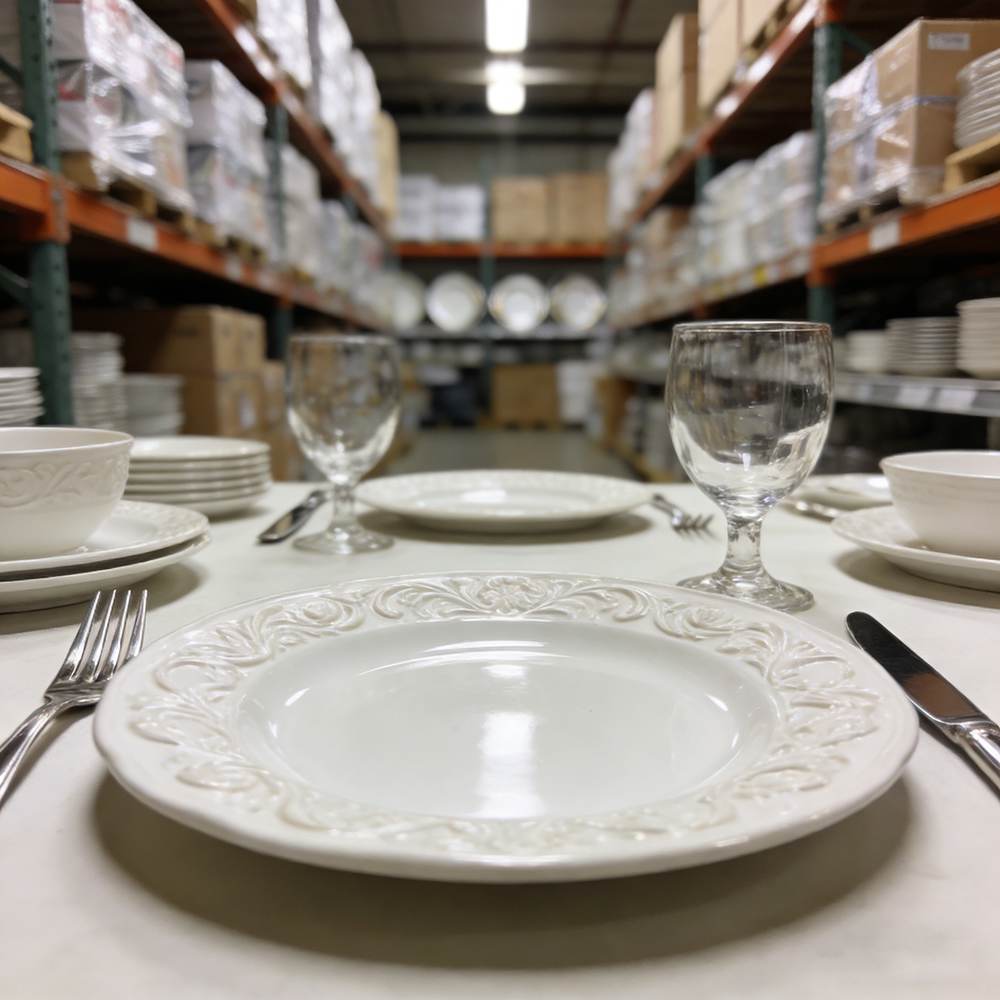
Catering companies have tight margins. One great weekend might look profitable on paper, but then a stack of chipped plates or emergency replacements end up keeping your profits low. Dinnerware is one of those costs that people don’t think about until it starts causing problems. When you choose the right pieces from the start, you spend less over time, keep your presentation consistent, and avoid scrambling for replacements before a big event. That’s why wholesale dinnerware sourcing matters. Instead of cutting corners here, you need to choose dinnerware that works event after event, without dragging down your reputation or your profit margins. Let’s explore what works for catering companies and how to choose dinnerware that supports everyday business operations. Why Catering Companies Choose Wholesale Dinnerware When you run a catering business, you’re handling things much differently than a restaurant. You’re not plating the same meals in the same room every night. One weekend might be a 300-guest wedding, the next a corporate lunch, then a backyard celebration. Your dinnerware gets stacked multiple times and gets washed on repeat, only to go through this process again shortly. That is where wholesale purchasing changes everything. When buying dinnerware in volume, you’re not paying retail pricing for something you’ll use hundreds of times. You’re building a working inventory that supports your operations instead of draining it. For example, when you buy 1500 to 3000 place settings at once, you’re not just stocking your shelves. You’re locking in consistent color, shape, and quality across every event. This means you won’t have mismatched plates halfway through a season and no panic orders the week before a big booking. Wholesale dinnerware sourcing also gives you room to plan. You can account for breakage, build a replacement buffer, and know exactly what your cost per event looks like. That kind of predictability matters when your margins are tight and schedules are packed. Most importantly, wholesale sourcing gives catering companies control over pricing, availability, and their brand identity. But how does this play out? When your dinnerware is sourced this way, you no longer react to shortages or last-minute fixes. You know what you have, and you know what you can replace, and you know it will look the same every time it hits a table. This predictability keeps service running smoothly even on the busiest days. Catering Dinnerware Requirements vs Restaurants Catering and restaurant operations look similar from the outside, but the way dinnerware gets used is completely different. If you’ve ever packed up 400 plates at midnight after a wedding, you already know this. The demands are not just about how a plate looks on the table but how it survives the full cycle of transport, service, cleaning, and storage. Event-Based Use vs Daily Restaurant Service In a restaurant, plates come out for lunch and dinner, get washed, and return to the same shelves. Over time, the investment balances out because each plate gets steady, repeated use. Catering works differently. A plate might only touch the table once per event, but it gets handled a lot more. Think loading trucks, stacking racks, quick resets, and long wash cycles. For instance, a plate used at a 300-guest wedding might only see food once that night, but it’s handled by five people before and after service. So what does this mean for durability? You don’t need ultra-delicate china built for fine dining rituals. What you need is commercial-grade porcelain that can take repetition without getting stress cracks. For example, many caterers choose pieces rated for 1500 to 2000 wash cycles because that gives reliable performance across busy seasons. Because catering relies on volume, you can lean into smart compromises. A slightly heavier porcelain works well. White or cream tones stay flexible across themes. Branding matters less than consistency for catering companies. Guests remember clean presentation, not the logo under the plate. Specs That Actually Matter For a bulk dinnerware purchase, look for pieces designed for service. Here’s what to look for. Commercial porcelain rather than bone china Sizes around 10.5” for mains, 8 to 9” for salads, 6 to 7” for bread Tested durability with 1500+ wash cycles Food safety certification and commercial standards Low defect rates, so replacements don’t become a hassle This wholesale purchasing approach works because you build a system that holds up through 200 to 300 events a year. Volume Purchasing Strategy and Pricing If you run catering at any scale, volume is your biggest advantage. You just have to use it correctly. Buying dinnerware for one event at a time usually feels safe, but it costs more over the year. Wholesale purchasing flips that dynamic. Instead of reacting to breakage or shortages, you plan ahead and let volume work in your favor. How Wholesale Pricing Works Most suppliers price dinnerware in tiers. The more you commit upfront, the better the unit cost becomes. For example, once you cross the 1000 to 2000 piece range, pricing usually drops by 15 to 20%. Push past 3000 pieces, and those savings grow even more. At that level, suppliers start seeing you as a long-term buyer. This is where catering companies benefit from wholesale dinnerware sourcing. You already know that you’ll use the inventory. The volume isn’t a risk. Planning for Replacements Most catering teams start with 1500 to 2000 settings, then replace a few hundred pieces annually as wear happens. Smart operators negotiate replacement pricing upfront, usually in the $5 to $15 range per piece. That way, breakage never becomes a budget price. How to Negotiate Volume is your leverage. You need to ask for tiered pricing, extended payment terms, and locked-in pricing for future reorders. Suppliers expect these conversations. When you treat purchasing as a long-term relationship rather than a one-time buy, the numbers start working for you, and your margins breathe a little easier. Durability and Quality Testing Standards When you’re running catering at scale, you stop thinking about plates as “products” and start treating them as everyday tools. Some days, these plates