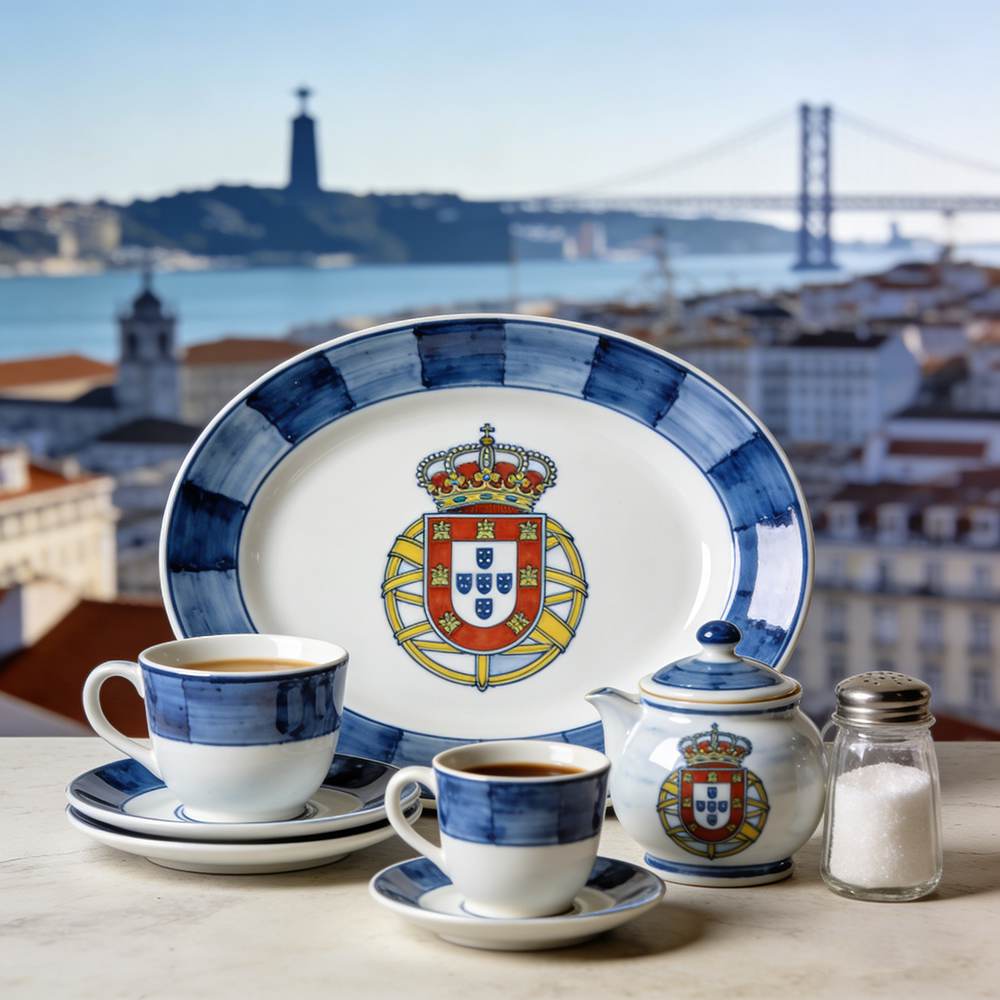
Portugal has quietly become one of Europe’s most respected ceramic hubs. While countries like France and the UK often dominate public attention, Portuguese dinnerware brands have earned global recognition for their balance of craftsmanship, design innovation, and manufacturing expertise. From fine porcelain used in luxury hospitality to relaxed stoneware favored by lifestyle brands, choosing the right dinnerware brand in Portugal means gaining access to centuries of ceramic tradition combined with modern production standards. In this article, we highlight 10 of the most reputable Portuguese dinnerware brands, widely trusted by hotels, restaurants, retailers, and international distributors. Why Portugal Is a Strong Source for Dinnerware Portugal’s ceramic industry benefits from several structural advantages: A long history of porcelain and stoneware production Skilled artisans and advanced kiln technology Strong export orientation to Europe, the US, and the Middle East Competitive pricing compared to Western Europe, with consistent quality For buyers comparing European craftsmanship with scalable global manufacturing, Portugal often sits between premium heritage markets and high-volume production countries. Dinnerware Brand in Portugal Recommended 1. Vista Alegre Founded: 1824Specialty: Fine porcelain, bone china, luxury tablewareWebsite: https://vistaalegre.com Vista Alegre is Portugal’s most iconic dinnerware brand and one of Europe’s oldest porcelain manufacturers. Known for refined craftsmanship and artistic collaborations, the brand supplies luxury hotels, royal households, and high-end retailers worldwide. Its collections blend classical elegance with contemporary design, making Vista Alegre a benchmark dinnerware brand in Portugal. 2. Porches Pottery Founded: 1998Specialty: Hand-painted artistic stoneware and porcelainWebsite: https://www.porchespottery.com/ Porches Pottery combines artistic creativity with traditional Portuguese ceramics. Each piece features hand-painted designs inspired by coastal life and Iberian culture. Exported to design boutiques and galleries around the world, Porches Pottery dinnerware embodies both functionality and artistic expression. 3. Costa Nova Founded: 1998Specialty: Stoneware dinnerwareWebsite: https://www.costanova.pt Costa Nova is widely recognized for its relaxed, coastal-inspired stoneware. Produced using high-fired clay, Costa Nova pieces are known for durability, organic shapes, and soft glaze finishes. The brand is especially popular in boutique hotels, casual dining concepts, and lifestyle retail markets. 4. Grestel Founded: 1991Specialty: Stoneware and porcelain dinnerwareWebsite: https://www.grestel.pt Grestel is one of Portugal’s most export-oriented ceramic manufacturers, supplying private-label and branded collections globally. The company invests heavily in sustainability, digital decoration, and advanced firing technology. Its flexibility makes Grestel a preferred partner for brands seeking design-driven Portuguese production. 5. Bordallo Pinheiro Founded: 1884Specialty: Artistic faience and earthenwareWebsite: https://bordallopinheiro.com Bordallo Pinheiro is famous for its bold, nature-inspired designs—think cabbage leaves, fruits, and animals sculpted into functional tableware. While less traditional than porcelain brands, Bordallo Pinheiro represents the artistic soul of Portuguese ceramics and is frequently featured in design-focused restaurants and retail collections. 6. SPAL – Sociedade de Porcelanas de Alcobaça Founded: 1965Specialty: Porcelain tableware for hospitalityWebsite: https://www.spal.pt SPAL focuses heavily on the professional HoReCa sector. Its porcelain collections are designed for durability, stackability, and consistent performance in hotels and restaurants. For buyers prioritizing function and long-term use, SPAL is a strong dinnerware brand in Portugal for commercial environments. 7. Porcel S.A. Founded: 1987Specialty: Fine porcelain and custom porcelain solutionsWebsite: https://www.porcel.com Porcel S.A. is a well-established Portuguese porcelain manufacturer with a strong reputation for quality, creative design, and technical excellence. Firing its porcelain at high temperatures yields bright white, shiny, and durable pieces that are exported worldwide. It also offers custom ceramic solutions, making it ideal for brands and projects requiring bespoke dinnerware. 8. Ceramirupe Founded: 1993Specialty: Porcelain and stoneware manufacturingWebsite: https://ceramirupe.com/ Ceramirupe operates primarily as a manufacturer for international brands, producing both porcelain and stoneware collections. Its strength lies in OEM/ODM capability and consistent quality control. This makes Ceramirupe a behind-the-scenes contributor to many globally recognized tableware lines. 9. Val do Sol Cerâmica Founded: 1995Specialty: Stoneware and ceramic tablewareWebsite: https://www.valdosol.com/ Val do Sol focuses on contemporary ceramic tableware with strong design flexibility. The company often collaborates with international designers and private labels, offering adaptable production solutions. Its collections suit modern restaurants and emerging lifestyle brands. 10. Cerutil – Cerâmicas Utilitárias de Barcelos Founded: 1995Specialty: Decorative and functional ceramicsWebsite: https://pt.cerutil.com/ Cerutil blends traditional Portuguese decorative styles with functional dinnerware forms. The brand is known for hand-finished details and expressive glazing, appealing to buyers who value authenticity and craftsmanship. Portugal vs Global Dinnerware Manufacturing Portuguese dinnerware brands excel in: Design originality European quality standards Medium-scale manufacturing flexibility However, for buyers requiring very large volumes or aggressive cost control, comparing Portugal with overseas production is common. That’s why many sourcing teams evaluate European brands alongside guides such as dinnerware manufacturer in China recommended to build balanced supply strategies. Final Thoughts Choosing the right dinnerware brand in Portugal means investing in a blend of craftsmanship, cultural identity, and modern manufacturing reliability. Whether you’re sourcing for hospitality, retail, or brand development, Portuguese tableware offers a compelling alternative to traditional Western European markets—often with greater flexibility and competitive pricing.
Hotel Catering Tableware Procurement in the Middle East
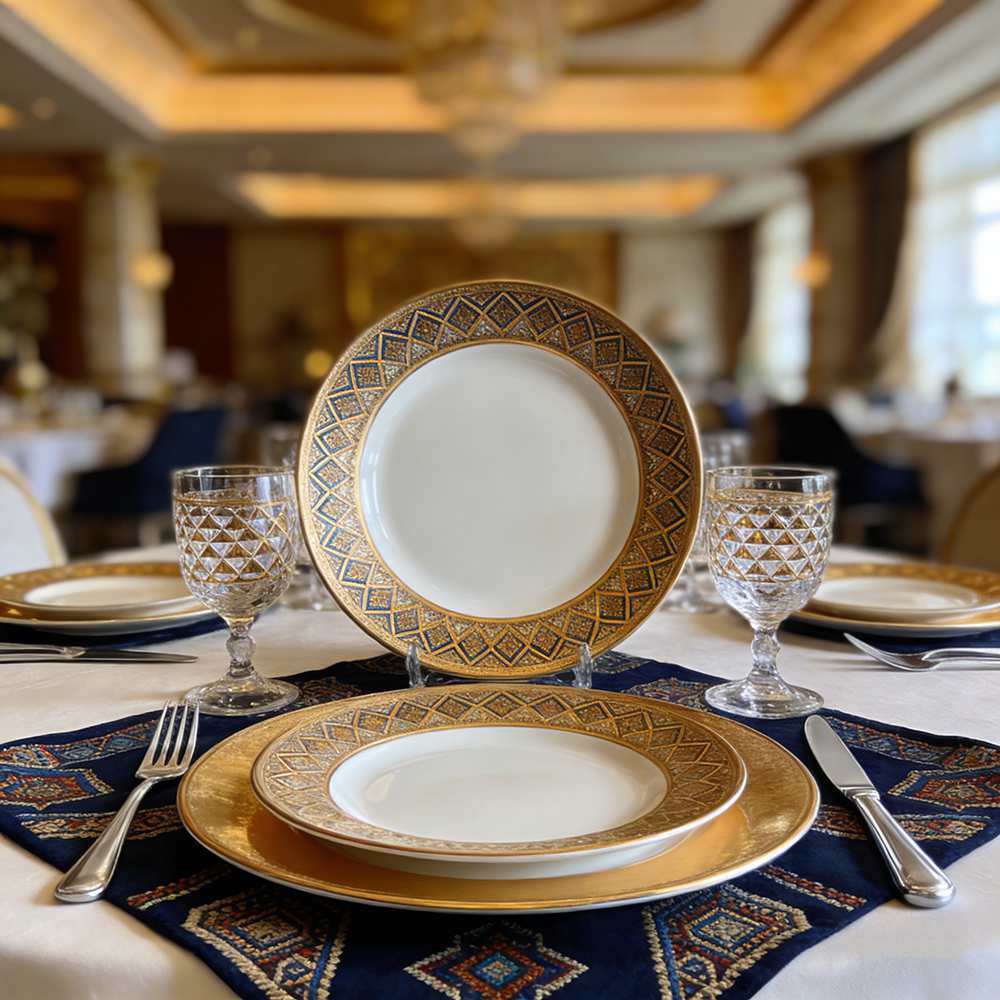
In a region where hospitality standards are high and competition is growing fast, tableware shapes the guest experience. Running a hotel in the Middle East means every detail is under the spotlight, especially at the table. Guests notice the plates, the glassware, and how everything comes together before the first bite. From luxury resorts to business hotels, the right choices help teams stay consistent, control costs, and deliver memorable service. This guide explores how thoughtful tableware selection supports both daily operations and long-term brand success. How Tableware Influences Guest Experience Walk into any hotel restaurant, and the first impression usually happens before the menu opens. It’s the table, the plate, the glass, and the way everything else feels pulled together. Guests notice the small details as these set expectations long before the food arrives. Across the Middle East, hospitality spaces are growing quickly, and competition is no longer just about location or design. Competition is about consistency now. Guests expect the same quality experience whether they’re dining in a beachfront resort, a city hotel, or a business lounge. When tableware looks thoughtful and well-matched, it builds confidence. When it feels random or worn, it does the opposite. What many teams discover over time is that tableware isn’t just a purchasing decision. It’s a branding decision. Plates, cups, and serving pieces are captured in guest photos, social posts, and memories long after the meal ends. When those pieces feel intentional, they reinforce the care behind the entire experience. There’s also a practical side you need to consider when sourcing dinnerware for hospitality. Hospitality teams manage busy service cycles, high turnover, and tight schedules. When tableware holds up well, and replacements match without hassle, operations run smoothly. When it doesn’t, small problems pile up fast. That’s where a more considered approach makes a difference. Working with a partner who understands hospitality needs, rather than just selling products, helps create consistency across locations, menus, and seasons. Material Selection: Bone China, Porcelain, and Stoneware in the Middle East Choosing the right tableware in the Middle East is less about trends and more about understanding how your space actually runs. A five-star hotel hosting gala dinners has very different needs than a resort serving all-day dining or a business hotel running breakfast at full speed. That’s why hotel tableware selection in the Middle East starts with materials. Let’s break down the three most common options on how they perform in hospitality service. Bone China: Refined, Lightweight, and Built for Premium Dining Bone china premium dinnerware is the first choice for fine dining and luxury hotels, as it looks delicate, but it is surprisingly strong. The material is fired at high temperatures and reinforced with bone ash, which gives it strength without bulk. Now, what does this mean in practice? Plates feel lighter in the hand, keep food warm a little longer, and present beautifully under soft lighting. That’s why bone china remains a favorite in fine dining restaurants, hotel tasting menus, and signature outlets. That said, it does require more care. Your teams need proper handling and storage routines, and replacement costs sit at a higher tier. For hotels focused on refined experiences and presentation, the trade-off usually makes sense. Porcelain: The Everyday Dinnerware Porcelain dinnerware continues to dominate hotel crockery procurement, especially in high-volume operations. It strikes a balance between durability and design flexibility, which is why many hotels rely on it for all-day dining, buffets, and room service. In the Middle East, white porcelain still leads, but warmer tones and subtle textures are becoming more common as properties look for character without sacrificing consistency. For many operators, this is the safest long-term choice when your durability, cost control, and visual consistency matter equally. Stoneware: Character With a Purpose Stoneware is becoming popular in lifestyle hotels and concept restaurants looking for something less formal. It has a tactile feel and a more organic look, which does work well for relaxed dining environments. It is also heavier and typically more scratch-resistant than other materials, but not always ideal for fast-paced operations or large banquets. Stoneware dinnerware works best when used intentionally, often as an accent rather than the entire set. The Sustainability Imperative: Why Durable Tableware Builds Value Over Time Sustainability in hospitality has changed. It’s no longer about making a statement. It’s about making smart, long-term decisions that reduce waste, bring the costs down, and still feel good to guests. By sustainability, we mean how things perform over the years of use in hospitality. Responsible Choices Most travellers today expect responsible choices as part of the dining experience. In fact, a large majority of guests now prefer brands that take sustainability seriously, especially in hospitality. Now that doesn’t mean every guest will be asking you about sourcing, but they will definitely notice the quality, care, and consistency. A chipped plate or mismatched set sends a negative message. On the other hand, well-kept pieces represent care, investment, and professionalism. Reduces Waste Single-use and short-lifespan tableware contribute significantly to global waste. Disposable tableware alone accounts for tens of millions of tons every year. While biodegradable options are growing, durable and premium dinnerware performs better in the long term. High-quality porcelain or bone china can last 5 to 10 years in active service. That means fewer replacements, fewer shipments, and far less material ending up in landfills. Over time, durable tableware becomes the more sustainable choice, even if the upfront cost feels higher. Cost Over Time Sustainability shows up on your balance sheet. Cheaper pieces chip faster, leading to constant reorders, higher logistics costs, and inconsistent presentation. Premium tableware spreads its value over years of use. Hotels that invest in durable collections also benefit from easier inventory management and fewer emergency purchases. Also, let’s consider staff training. When teams understand how to handle and store quality pieces, breakage drops noticeably, often by double-digit percentages. Builds Brand Trust Guests may not ask what a plate is made of, but they notice when everything feels considered. Thoughtful tableware supports a sense