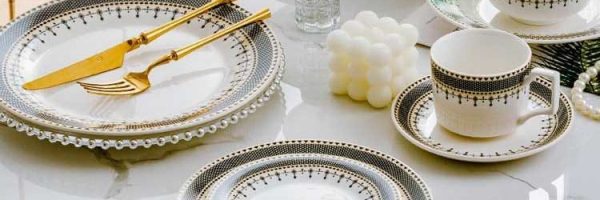
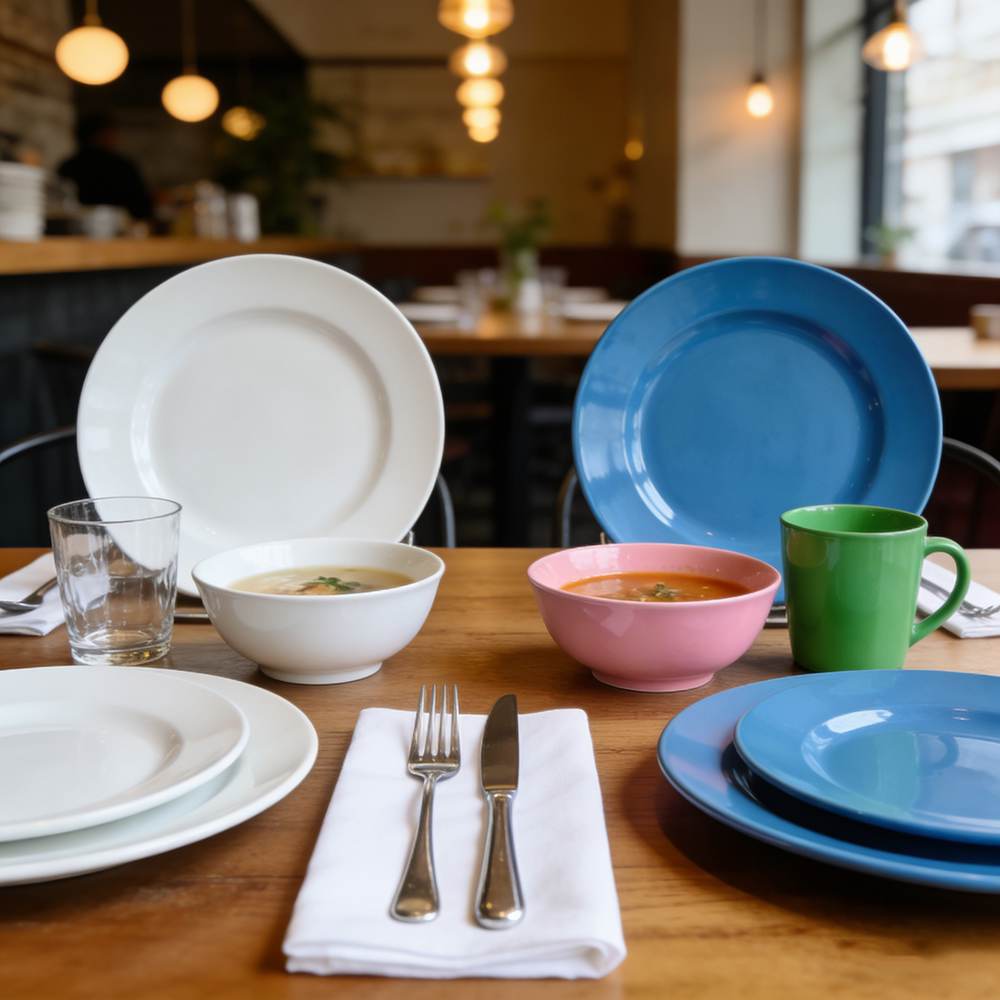
If you think your diner will be judging your food serving by taste only, you are wrong. They are judging for sure, but that begins way before they even start eating. Guess what creates the very first impression on their minds? The plate you serve the food on. Be it white, colored, patterned, or gold rimmed, each serving choice is a sales pitch for your cuisine. On the one hand, white colored plates make a dish look elegant and sophisticated. On the other hand, a boldly colored plate uplifts the entire dining experience. So, should you go for the contemporary white or bold black? Let’s learn about the plating colors. The Science Behind Visuals in Dining Your plates are the secret weapons that can change the entire perception of the food. As soon as the food lands on the table, the diners form an opinion about it. Visuals matter, and that’s just basic psychology in fine and casual dining. Research shows that visual cues, including the color and design of the weight plate, can change how people expect the food to taste. So keeping the visual appeal of your dish is not an add-on, but it actually drives satisfaction. As per another research, when the same dessert was served on different colored plates, people thought each serving had a different quality and sweetness. The color of the plate they were served on changed people’s perception of its sweetness and quality. In another study, people were asked to evaluate their servings in red, yellow, and blue colors. Red was associated with positive emotions and pleasure. Blue received negative reactions, where people even showed low appetite. This difference in attitudes was not due to the food quality but rather the color the food was served on. So, good-looking meals are more likely to get a higher ranking in the mind of the diner, which means they are likely to return and tip better. White Dinnerware: The Gold Standard There is a reason why white plates for plating have still survived today. They are timeless and versatile. You can’t ignore them, and they make the servings pop out. Another thing is that white goes with everything. No matter what the dish color (except for pure white, as it is!), it looks instantly vibrant on the solid background. Most restaurants still rely on white dinner plates due to control. It lets them display their artistry on a blank canvas. They can play around with all kinds of cuisines, color palettes, and seasons on white. Not All Whites Are Equal There are different shades of white. We have the pure white, which is sharp and modern but very unforgiving. It’s the best for contemporary restaurants looking at standardized servings. Then we have cream or ivory, which gives a bit of form to the serving. The shade feels classic and elegant, which is best for fine dining and Instagram, of course. The most popular one, however, is eggshell. This is like the balanced ground between both. It’s clean, just like pure white, but also elegant, like cream. It can work with different cuisine menus and seasons with ease, which is why it’s the hottest choice. Advantages of White Dinnerware White colored dishes are very versatile, and that makes them an all-around favorite in the food business. Let’s take a look at some of the key advantages of using white dinnerware. Neutral Canvas White provides a neutral background to your food. It doesn’t compete with it, but rather lets it shine. Whether you are serving fresh vegetables, proteins, or desserts, all hues are accentuated on white. Cleanliness White color also depicts cleanliness. Although it’s very unforgiving of the stains, it makes the food look well thought out, hygienic, fresh, and sophisticated. Portion perception Food appears larger on white. The color makes the serving look more generous without increasing your ingredient costs. So it’s more like a money-saving hack as well. Instagram Ready The color white is a clear winner in high-end dining. It lets the focus stay on the technique and detail. The dish is always Instagram-ready, where the meal is the star. That goes for all kinds of serving, whether in white bowls, dessert plates, or dishes. It gives a consistent baseline and doesn’t let the meals clash with each other. Colored Dinnerware – The Silent Advocates Bold, playful, and full of personality, that’s what colored plates are. They are the ideal tool for food businesses that want their dishes to advocate for them. Remember, though, going for bold colored plates is not a rebellion against white color. It’s more of making a statement. The plate color psychology goes far beyond presentation. Warm colors like red, orange, and yellow work as appetite boosters. They increase the appetite. While cool colors like green and blue look sophisticated and calm. But they can also suppress the appetite. How Different Food Businesses Use Colored Plates Not all food businesses use dinnerware color in the same way. Restaurants that focus on plated dining choose dinnerware based on how they want food to be perceived. Fine-dining and most Michelin-style restaurants use white or muted tones. They serve on white plates as they want the ingredients and serving styles shine. However, there are trending cafés and modern style bistros that use bold and colored plates. This is because they want to create memorable visuals. They also use it as a marketing strategy, as when pictures of the dishes are shared on social media, they can instantly be associated with their brand. So, colored dinnerware becomes a silent ambassador for them. You’ll find colored dishes in many ethnic or themed restaurants. They use color to match the cultural or seasonal vibes. For example, many Japanese restaurants use dark and earthy-toned plates for serving sushi and other cuisines. These natural and neutral backgrounds make the colors and textures of the food stand out without distraction. Colored Dinnerware and Its Influence on Different Foods The color of the plate also influences how the serving will be
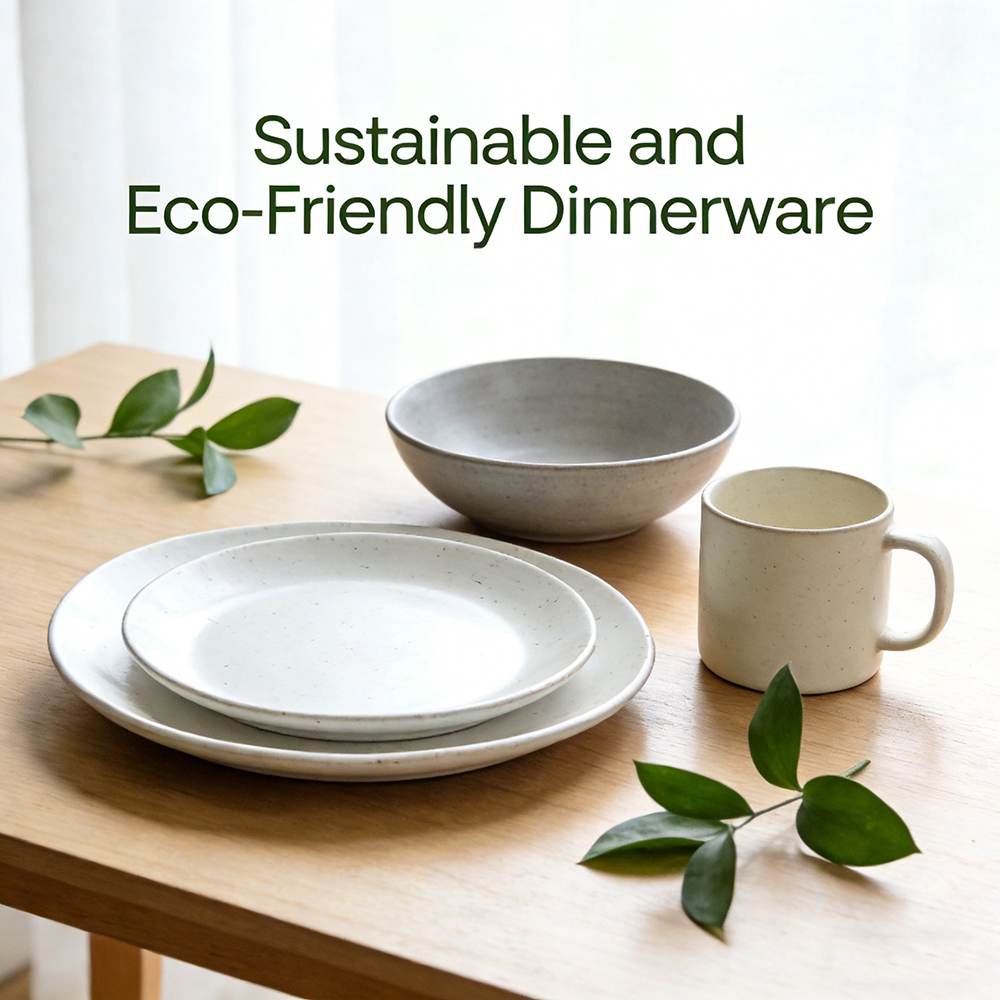
Sustainable and Eco-Friendly Dinnerware Options for Restaurants
Every restaurant wants fewer broken plates and fewer emergency reorders because they result in lower replacement costs. Sustainability in dinnerware rarely starts with a big environmental goal. It usually starts with frustration that comes with managing a dining operation. Plates chip faster than expected. Stacks never look complete. Boxes of replacements arrive far too often. Sustainable dinnerware is about choosing materials that survive service, dishwashing, and daily handling without draining your budget or filling storage rooms with mismatched pieces. This guide breaks down what sustainability really means for restaurants and which dinnerware options actually hold up. What Makes Dinnerware Sustainable? Sustainability in dinnerware doesn’t come with the product tag or in a brochure. When you’re re-ordering plates far sooner than you planned, that’s when sustainability comes into question. Truly sustainable dinnerware earns its place by surviving kitchen conditions and not by promising eco-benefits on paper. Below are the factors that actually determine whether dinnerware is sustainable once it enters daily hospitality use. Longevity Beats Labels Picture opening month versus month six. Opening week plates look perfect. By month three, a few are chipped. By month six, the stack is uneven. That replacement cycle is where sustainability is won or lost. A plate that lasts five years creates less waste than one replaced twice a year, even if the shorter-lived option claims to be “eco.” Fewer breakages mean fewer shipments, less manufacturing demand, and less material ending up discarded. Longevity reduces environmental impact without needing a label. Commercial Kitchens Stress-Test Plates Restaurant plates live hard lives. They’re stacked fast during clearing. They rattle through dishwasher racks. They sit under heat lamps waiting for pickup. They’re handled by different staff every shift. Sustainable dinnerware is built to tolerate repeated stress. High firing temperatures create denser ceramic bodies. Quality glazes resist wear from detergent and scrubbing. When plates survive thousands of washes without degrading, they reduce waste far more effectively than fragile alternatives. Replacement Cycles Ask yourself how often you re-order. Not because styles change but because the pieces disappear. Frequent orders mean higher waste, higher transport emissions, and higher long-term costs. Sustainable dinnerware stretches replacement cycles. Sets stay complete longer. When replacements are needed, consistency matters, so old and new pieces still work together instead of forcing full resets. Reusable vs Disposable in Service Disposable and compostable options sound sustainable until service begins. They require constant restocking, generate daily waste, and struggle with hot or plated food. Durable reusable ceramic outperforms disposables over time. One plate reused thousands of times produces less waste than hundreds of single-use items. Sustainability improves when durability replaces convenience. What Dinnerware Materials Are Sustainable and Eco-Friendly? Not all dinnerware materials behave the same way in commercial kitchens, as some naturally last longer, waste less, and age better under pressure. Porcelain Porcelain earns its reputation by lasting. Fired at very high temperatures, it forms a dense, non-porous body that handles heat, moisture, and constant dishwashing without breaking down. In hotels and full-service restaurants, porcelain survives daily service because it resists staining, doesn’t absorb odors, and keeps its finish intact over time. And when porcelain fails, it’s usually due to a drop and not gradual wear from a sustainability standpoint that matters. Fewer chips mean fewer replacements, fewer emergency orders, and fewer shipments. Over years of service, porcelain dinnerware reduces waste simply by staying in rotation longer. Bone China Bone china surprises operators because it feels light, almost delicate, yet it is remarkably strong for its thickness. Because it’s thinner than most ceramics, each plate uses less raw material, and the lighter weight reduces strain during stacking and clearing. In controlled environments like fine-dining or hotel restaurants, bone china holds up with minimal replacement. Sustainability here depends on how the dining room runs. With trained staff and steady service, bone china dinnerware can last for years. In rushed, high-impact kitchens, it’s less forgiving. The material itself is efficient, but hotel operations determine whether that efficiency pays off. Stoneware Stoneware sits comfortably between durability and warmth. It’s fired hotter than earthenware, which gives it better strength while keeping the tactile grounded feel that many casual concepts prefer. In bistros and farm-to-table restaurants, stoneware fits naturally. It holds heat well, feels substantial in the hand, and handles regular service without feeling fragile. Sustainability depends on quality. Well-glazed stoneware can last for years. Poor glazing leads to faster wear, staining, and earlier replacement. When sourced carefully, stoneware offers a practical balance: fewer replacements than earthenware, with a look that doesn’t feel overly formal. Earthenware Earthenware starts with a sustainability advantage on paper. It is fired at lower temperatures, which means less energy upfront. The challenge shows up during service, though. Earthenware is more porous and less tolerant of thermal shock, making it prone to chipping and cracking in busy kitchens. In high-volume operations, replacement rates climb quickly, offsetting any initial energy savings. That’s why earthenware works best as an accent. Signature plates, controlled presentations, and low-stress use are where it shines. When limited to specific roles, it can be sustainable. When used everywhere, constant replacement usually turns it into a waste driver. Melamine and Alternatives Melamine lasts in ways ceramics don’t. It resists drops, shrugs off impacts, and rarely chips. Operationally, that durability is appealing. Environmentally, it’s more complicated. Melamine isn’t biodegradable and has limited recycling options. It also comes with heat and food limitations, making it unsuitable for high-temperature service. Its long lifespan reduces replacement waste, but the end-of-life impact still matters. In certain settings, melamine lowers breakage and costs. From a sustainability perspective, it’s a compromise. It is durable in use but less aligned with long-term environmental goals than reusable ceramics. Reusable vs Disposable: Where Sustainability Breaks Down On paper, disposable dinnerware feels like an easy win. When plates chip too often, or labor feels tight, compostable plates start to look appealing. There’s no washing and no breakage. Simply use them and toss them. But that’s not the case in high-volume restaurants. Here’s why. Why Disposables Feel Like the Solution In