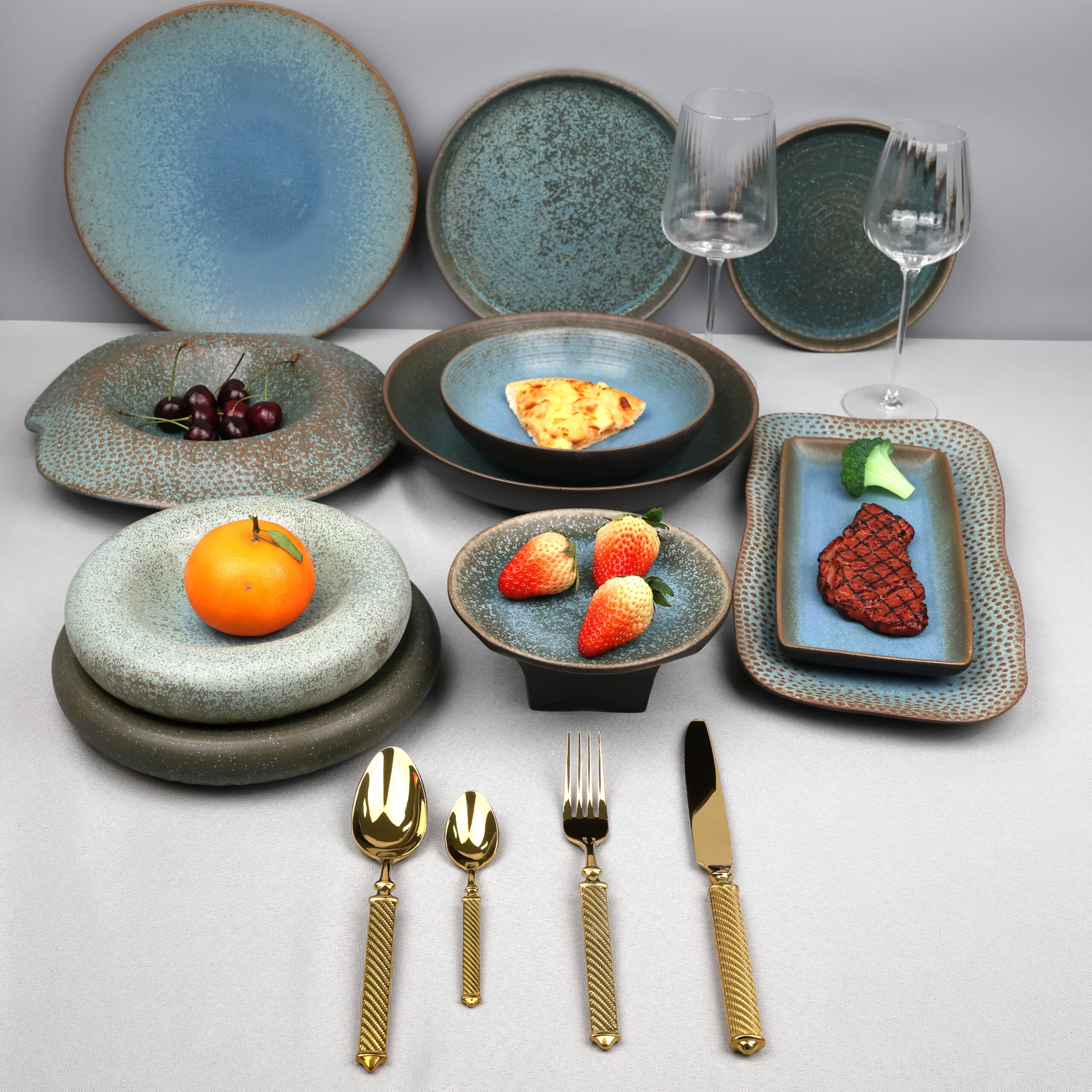
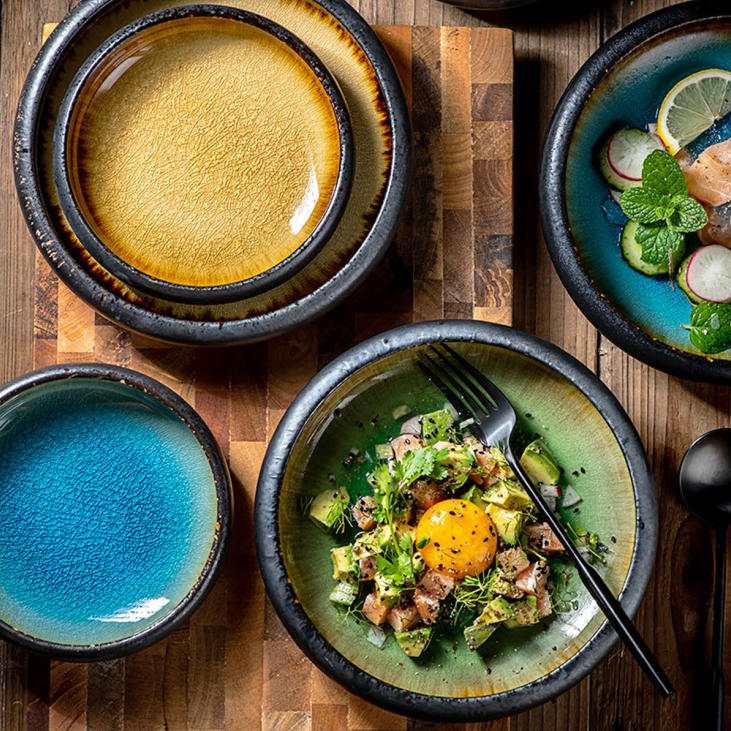
You’ve seen reactive glaze dinnerware and thought, this looks incredible, but is it practical? Maybe it caught your attention while sourcing plates for a new restaurant. Or a chef suggested it because it feels more handcrafted and unique. And now you’re wondering what that actually means once the plates actually go through service, dishwashing, and daily handling. Reactive glaze dinnerware sits between design and operations. It adds personality to the table, but it also raises questions about consistency, food safety, and long-term care. This guide discusses everything, so you can decide whether reactive glaze fits your kitchen, workflow, service style, and guest expectations beyond just visual appeal. What Is Reactive Glaze Dinnerware? Reactive glaze dinnerware is the kind of tableware that makes people lean in for a second look. At first glance, it feels handcrafted. Look closer, and you’ll notice flowing colors, soft breaks in the glaze, and subtly changing tone that make each plate feel a little different from the next. That’s the “reactive” part. The glaze changes while it’s firing, which creates movement instead of a flat, uniform finish. In a restaurant or hotel dining room, you line plates for service and realize none of them look copied and pasted. They still belong together, but they don’t feel mass-produced. That’s exactly why so many hotel operators choose reactive glaze dinnerware when they want warmth and personality without losing consistency on the table. There’s also a practical side. Reactive glaze dinnerware isn’t fragile art pottery. It’s designed for regular service, washing, and everyday use. You get visual depth without committing to fully handmade pieces that are hard to replace later. For chef-driven concepts, boutique hotels, and restaurants that care about presentation, this balance matches aesthetics and stands out. Manufacturing Process The base starts like most ceramic dinnerware, usually porcelain or stoneware. The difference comes in glazing. Special mineral-rich glazes are applied in layers, then fired at high temperatures. Inside the kiln, heat causes those minerals to react, which creates the color variation you see in patterns. Good manufacturers control this very carefully so the plates take on a cohesive feel while still feeling naturally unique. Reactive Glaze Aesthetics and Design Appeal Reactive glaze dinnerware brings character to the table in a way standard finishes never do. Each piece develops its look inside the kiln, where heat and minerals interact in unpredictable but controlled ways. For restaurants and hotels, this means plates feel curated rather than uniform. It’s a design choice that supports atmosphere, storytelling, and presentation without needing extra styling on the table. Why Reactive Glaze Feels Handcrafted Reactive glaze pottery starts to feel close to hand-painted dinnerware. Even when produced in controlled batches, each piece carries a slight variation. That variation is what catches your guests’ eyes. In artisan dinnerware restaurants, plates don’t blend into the background. They improve food presentation and make the table feel intentional. Dishes arrive looking thoughtful rather than staged, which matters when experience and presentation support pricing. How It Elevates Food Presentation Reactive glaze dinnerware frames food in a softer, more organic way. Uneven light reflection makes sauces look richer, more textured, and more defined. Colorful ingredients stand out without needing overly styled plating. Chefs like it because the plate adds character without competing with the dish. For operators, these unique dinnerware designs create an atmosphere without relying on decor alone. Safety, Finish, and Long-Term Appeal Design still needs to perform. Reputable manufacturers use food-safe glazes that fully seal the surface during firing. When done correctly, ceramic glaze food safety isn’t a concern, even in professional kitchens. The key is proper sourcing and artisan dinnerware care. Reactive finishes are meant to celebrate variation, not inconsistency. With an experienced dinnerware supplier, you get plates that feel expressive, durable, and suited to hospitality service rather than purely decorative use. Critical Considerations for Food Safety Reactive glaze dinnerware looks artistic, but in restaurants and hotels, safety always comes first. The reassuring part is that reactive glaze can be food safe when it’s made for hospitality use. Everything depends on formulation, firing, and testing. During proper firing, the glaze melts and bonds to the ceramic body, creating a sealed surface that doesn’t interact with food. Problems usually only appear with decorative-only pieces made for display, not service. Some handmade or imported items prioritize looks over performance, which raises concerns with heat, acidic foods, and repeated washing. That’s why reactive glaze should be evaluated like any other food-contact surface, instead of being treated as a decorative glazing. Before you bring reactive glaze into food service, pause and double-check a few details. Make sure the glaze is actually certified food safe, not just described that way in the catalog. Confirm there’s no lead or cadmium anywhere near regulatory limits. Look for a fully vitrified body with a glaze that’s properly sealed, not just pretty on the surface. Ask whether the plates have been tested with acidic foods like tomato sauces or citrus-heavy dishes. Check that the finish holds up in commercial dishwashers, not just light residential use. Work with suppliers who understand hospitality service, not decorative or retail-only ceramics. When you properly check these details, reactive glaze doesn’t feel risky for your hospitality settings. It becomes dinnerware that brings character to the table. Reactive Glaze in Hospitality Settings: Where It Fits Best Reactive glaze looks beautiful on a shelf. But how does it behave once plates start circulating through your dining room? Different hospitality settings ask for very different things from dinnerware, and this is where reactive glaze either becomes a headache or serves your table. Fine Dining Restaurants In fine dining, reactive glaze dinnerware feels right at home. Picture a tasting menu where every course arrives on a plate that feels intentional, not mass-produced. Guests notice. They turn the plate slightly. Someone at the table comments on the finish before the food is touched. That moment adds to your ambience. Reactive glaze supports premium positioning because no two pieces look the same. It turns plating into a
Melamine vs Ceramic Dinnerware: Which is Better for Restaurants?
You’re reviewing your dinnerware because something isn’t working anymore. The plates chip too fast, and replacements cost more than expected. Or you’re simply unsure whether melamine or ceramic suits your restaurant style better. One option promises durability and low cost. The other feels better suited to your food and your brand. Suppliers give you mixed advice, and the trade-offs? They aren’t obvious. Melamine and ceramic behave very differently. This guide points out those differences, so you can choose the option that best fits your volume, menu, and guest expectations. Melamine vs Ceramic Dinnerware: What’s the Difference? When restaurant teams compare melamine and ceramic, they’re really deciding how their plates behave once service begins. The material you choose affects speed, safety, costs, and how guests read your brand long before the first bite. What is Melamine? Melamine is a molded resin, not a ceramic. It’s made from melamine-formaldehyde compounds pressed under heat into lightweight, rigid shapes. The surface feels smooth and slightly matte, with color molded all the way through. Melamine doesn’t chip or shatter, but it cannot handle high heat or prolonged contact with hot, acidic foods. It isn’t meant for oven-to-table service, reheating, or dishes that stay piping hot. You wouldn’t pull a bubbling stew from the pass in a melamine bowl or rest a just-seared entrée on it straight from the pan. You’ll see melamine dinnerware commonly used in buffets, cafeterias, fast-casual dining, outdoor service, and high-volume environments. Why Restaurants Rely on Melamine? Melamine suits kitchens that prioritize speed and efficiency. It reduces breakage, lowers replacement costs, and lets staff stack and clear quickly without worrying about shattered pieces. What is Ceramic? Ceramic dinnerware is made from refined clay fired at very high temperatures until it becomes hard, dense, and non-porous. This category includes porcelain, bone china, and stoneware. Ceramic dinnerware plates have a solid feel, stay bright through years of washing, tolerate heat, and remain food-safe even with acidic dishes. They’re common in full-service restaurants, upscale casual dining, and fine dining. Why Restaurants Rely on Ceramic? Ceramic supports hot food, polished presentation, and long-term durability. It also enhances plating in a way that melamine can’t. The glazed surface reflects light evenly, keeps the whites bright, and lets sauces, textures, and colors stand out, which elevates even the simple dishes. For restaurants exploring ceramic dinnerware, working with a supplier who understands service flow makes the difference. Brett helps operators compare materials and choose ceramic collections built for tough kitchen conditions. Physical Characteristics: Melamine vs Ceramic Melamine focuses on impact resistance and light handling, while ceramic relies on fired mineral strength, heat tolerance, and surface stability during service. Take a look at this quick comparison of the physical characteristics of melamine and ceramic. Physical Characteristic Melamine Ceramic Material Composition Melamine-formaldehyde resin (thermoset plastic) Natural clay minerals fired at high temperatures Firing/Production Molded under heat and pressure (not kiln-fired) Kiln-fired at 1,200 to 1,450°C Texture Smooth but plastic-like; can feel hollow Smooth, dense, glazed, glass-like Weight Very lightweight Light to moderate, feels more substantial Thickness Uniform thickness, less structural depth Can be thin yet strong, depending on type Chip/Break Resistance Won’t shatter but gets scratches Can chip or break if dropped Heat Tolerance Limited High (handles hot food and plating) Reaction to Acidic Foods Can degrade over time No reaction; fully stable Color & Design Range Wide colors, patterns, faux finishes White, neutral, modern, artisanal options Visual Impression Functional, casual Polished, professional, premium Typical Restaurant Use Buffets, fast casual, outdoor service Full-service, upscale casual, fine dining Melamine vs Ceramic: Factors to Consider for Restaurants Instead of lab specs or marketing claims, we’re looking at what actually matters once plates hit the floor, the dishwasher, and the table. Each factor below answers a question restaurant owners and managers ask when deciding between melamine and ceramic dinnerware. Food Safety and Heat Exposure Picture a busy service where hot pasta, soups, and sauces sit on the plates for a few minutes before runners grab them. Ceramic handles this well because heat, acidity, and long table times are part of its comfort zone. Melamine, on the other hand, works best when food is served warm or cool. If your menu includes steaming bowls or tomato-heavy dishes, ceramic removes a layer of risk from your daily service. Dishwasher Safety In commercial kitchens, dishwashers operate continuously throughout the day. High water temperatures, strong spray pressure, and industrial detergents place consistent stress on dinnerware materials. Ceramic dinnerware is designed for this environment. It tolerates repeated high-heat cycles and prolonged exposure to commercial detergents without compromising surface integrity or finish. This makes it well-suited for operations where dishwashing volume remains constant during service hours. Melamine is generally dishwasher safe, but temperature control is critical. While it can withstand standard wash cycles, repeated exposure to high heat accelerates surface wear over time. Commercial dishwashers typically run at elevated temperatures by default, which increases the rate of fading and surface dulling in melamine compared to ceramic. For kitchens with continuous, high-temperature wash cycles, ceramic aligns more closely with how commercial dishwashing equipment is used in practice. Durability Think about clearing a packed dining room at peak hour. Plates knock together. Racks are pushed at speed through busy service aisles. Melamine shrugs off drops and collisions, which is why it shines in fast, crowded spaces where constant movement matters more than preserving a pristine surface over time. Ceramic responds differently. It does not forgive drops, but it holds its surface and structure far longer. In restaurants where handling is steady and staff are trained, ceramic lasts for years. Replacement Rates by Restaurant Type Replacement patterns are a very important consideration when you’re buying premium dinnerware for your restaurant. Fine dining rooms replace fewer ceramic pieces because services stay controlled. Upscale casual sees steady ceramic loss but manageable planning. High-volume operations replace melamine more frequently, but at a lower overall cost. The critical factor is aligning the material with operational handling demands, not initial appearance. If replacement planning and consistency matter, Brett works
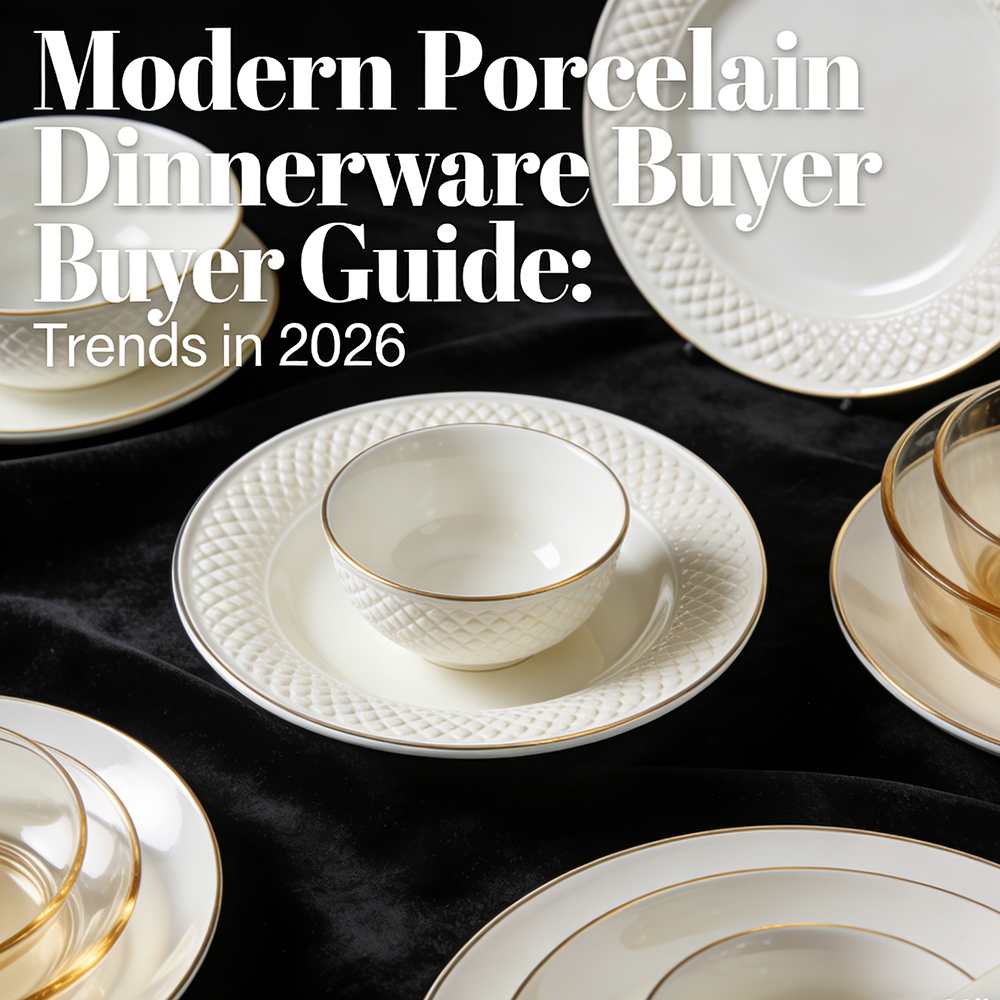
Modern Porcelain Dinnerware Buyer Guide: Trends in 2026
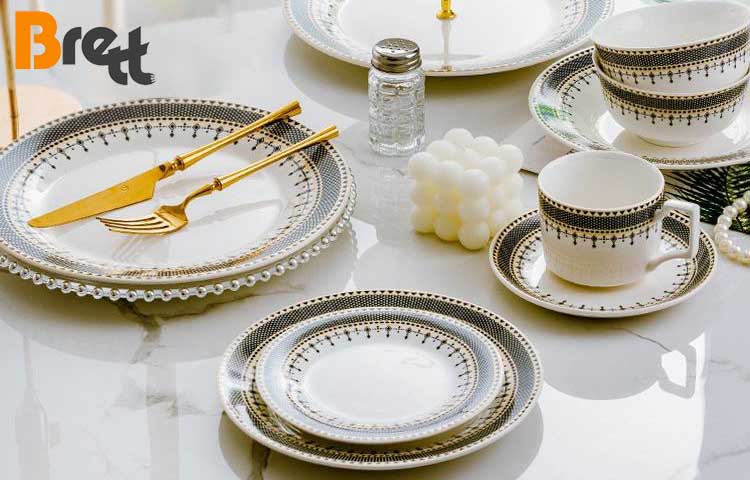
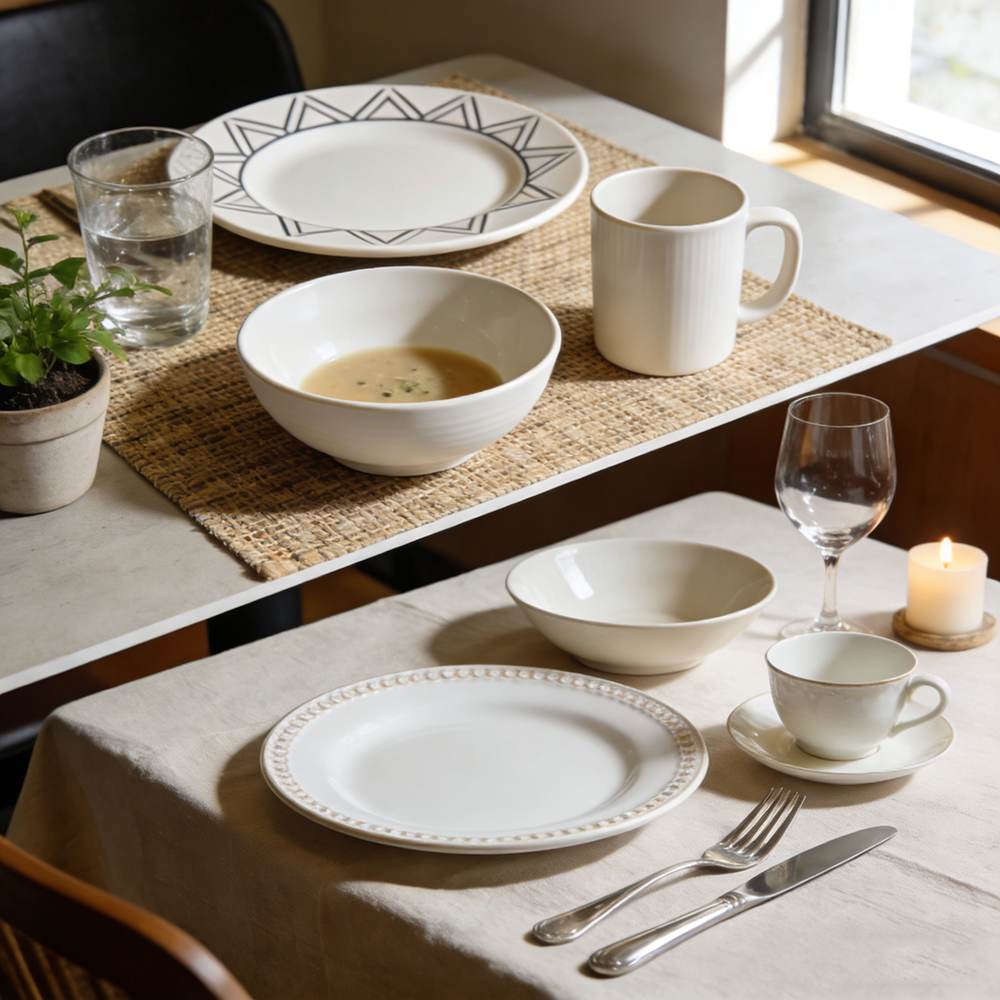
Modern porcelain dinnerware is quietly entering a new era. While porcelain itself has been used for centuries, the way it is designed, manufactured, and chosen—especially by hotels, restaurants, and design-driven consumers—is evolving faster than ever. As we approach 2026, buyers are no longer asking only “Is this durable?” or “Is it elegant?”They’re asking: Does it reflect modern dining culture? Is it sustainable? Will it still look relevant in five years? This guide explores key trends shaping modern porcelain dinnerware in 2026, helping buyers make smarter, future-proof decisions. 1. What Defines “Modern Porcelain Dinnerware”? Modern porcelain dinnerware is not a single style—it’s a mindset. At its core, porcelain is a high-fired ceramic made from refined clay (kaolin), feldspar, and quartz, known for its strength, whiteness, and low porosity. According to Encyclopaedia Britannica, porcelain’s vitrified structure is what gives it superior durability and translucency compared to other ceramics. What makes it modern today is how those traditional material advantages are paired with contemporary aesthetics, technology, and usage scenarios. In 2026, modern porcelain dinnerware is defined by: Clean but expressive forms Subtle textures over heavy decoration Versatility across casual and fine dining Compatibility with modern kitchens (dishwasher, microwave, stackability) 2. Why Porcelain Remains the Core Material for Modern Dining Despite the rise of stoneware and alternative materials, porcelain continues to dominate modern tableware collections—especially in premium hospitality. There are practical reasons for this: High firing temperature (≈1300°C)creates exceptional strength Low water absorption (<0.5%)improves hygiene Smooth glaze surfaceresists stains and odors Refined appearancesuits both minimalism and luxury These characteristics make porcelain particularly suitable for restaurants, hotels, and home users who want dinnerware that performs daily yet photographs beautifully. It’s why many designers still choose porcelain dinnerware as the foundation for modern collections, even when experimenting with new shapes and finishes. 3. Modern Porcelain Dinnerware Trends in 2026 Trend #1: Soft Minimalism Replaces Cold Minimalism Minimalism isn’t disappearing in 2026—it’s evolving. Earlier modern designs often leaned toward stark whites, sharp edges, and clinical precision. The new direction is soft minimalism: Rounded silhouettes Gentle curves instead of hard angles Warm whites, ivory, and bone tones Matte or satin finishes replacing high gloss This shift reflects broader interior and lifestyle trends where warmth and comfort balance modern aesthetics. From a buyer’s perspective, soft minimalism has a practical advantage: it ages better. Plates with subtle character don’t feel outdated as quickly as overly trendy designs. Trend #2: Texture Becomes the New Decoration Instead of bold prints or heavy patterns, modern porcelain dinnerware in 2026 relies on surface texture. Popular treatments include: Fine embossing Reactive-look glazes (controlled, food-safe versions) Hand-feel matte finishes Subtle concentric or organic relief patterns Texture adds visual interest without overpowering food presentation—an important consideration in professional dining and social-media-driven cuisine. Design historians often note that tableware trends move in cycles between ornament and restraint. As Robert Finlay discusses in The Pilgrim Art: Cultures of Porcelain in World History, understated surfaces allow porcelain to adapt across eras without losing relevance. Trend #3: Natural & Muted Color Palettes Color is returning—but quietly. In 2026, modern porcelain dinnerware favors: Sand, linen, and clay tones Muted greens and sage Soft charcoal and warm gray Washed blue inspired by nature These hues complement modern interiors and enhance food plating without competing for attention. Bright colors still exist, but they are typically reserved for accent pieces rather than full dinnerware sets. Trend #4: Sustainability Is No Longer Optional Sustainability has moved from a marketing bonus to a buying requirement. Modern porcelain buyers increasingly ask about: Lead-free and cadmium-free glazes Efficient kiln firing processes Reduced waste in production Longevity over disposability Porcelain’s long lifespan already gives it an advantage over short-use alternatives. According to the European Ceramic Industry Association, durable ceramic products contribute to sustainability by reducing replacement frequency and lifecycle waste. In 2026, manufacturers that can document responsible sourcing and testing standards will clearly outperform those that cannot. Trend #5: Microwave & Dishwasher Compatibility as a Design Rule Modern lifestyles demand convenience. In 2026, buyers increasingly assume that modern porcelain dinnerware should be: Dishwasher safe Microwave safe Resistant to thermal shock This has influenced design decisions, especially regarding metallic decorations. Gold or platinum accents are now applied more selectively—or replaced by matte textures and embossed detailing—to maintain usability without sacrificing elegance. Functionality is no longer a compromise; it’s part of good design. Trend #6: Multi-Use Forms Over Traditional Sets Rigid 20-piece sets are losing ground to modular collections. Modern porcelain dinnerware increasingly features: Coupe plates that work for mains and sharing Bowls designed for pasta, salads, or rice Stackable forms optimized for storage Charger plates that double as serving pieces This flexibility appeals to both hospitality buyers and modern households with limited space. Trend #7: Hospitality Influence on Home Dining One of the strongest forces shaping modern porcelain dinnerware is the hospitality industry itself. Hotels and restaurants drive trends that later filter into home use: Neutral palettes Durable but elegant forms Tableware designed for visual storytelling As open kitchens, chef-led concepts, and experiential dining grow, home consumers increasingly want plates that feel “restaurant-level” without being fragile or pretentious. 4. How Buyers Should Choose Modern Porcelain in 2026 When evaluating modern porcelain dinnerware, buyers should look beyond appearance. Key questions to ask: Is the porcelain fully vitrified and low-absorption? Are the glazes food-safe and certified? Will the design still feel relevant in 5–10 years? Does it suit both daily use and special occasions? Truly modern porcelain balances aesthetics, durability, and adaptability. Final Thoughts Modern porcelain dinnerware in 2026 is less about trends for their own sake and more about thoughtful evolution. Clean forms soften, textures speak louder than patterns, and sustainability quietly shapes design decisions behind the scenes. Porcelain has survived centuries not because it stayed the same—but because it adapted without losing its essence. For buyers, choosing modern porcelain today means investing in dinnerware that feels current now, functional tomorrow, and timeless long after trends shift again.