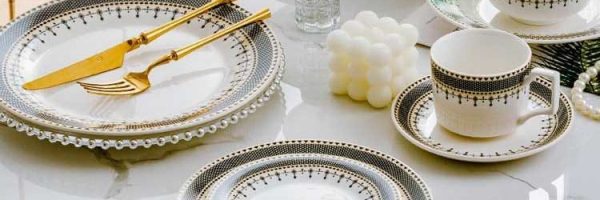
You’ve probably stood in a home store holding two beautiful plates, one stoneware, one porcelain, and wondered why they look the same but feel completely different. Both fall under the big family of ceramic dinnerware, yet their behavior on your table, in your hands, and in your kitchen couldn’t be more distinct. Porcelain is technically a type of ceramic, but it has a refined structure that gives it a personality that sets it apart from the rest of the ceramic pieces. Stoneware has more weight, while porcelain has finesse and strength. So which one deserves a place in your kitchen? Let’s break it down into every possible difference in a way that helps you choose the best dinnerware. Stoneware vs Porcelain: What’s the Difference? Most people use both without realizing they come from very different clay firing methods and histories. Stoneware brings weight while porcelain brings refinement and precision. What Is Stoneware? Think of stoneware as the “comfort food” of the dinnerware world. It starts with a sturdy clay body mixed with sand minerals that give it weight and a personality. The clay goes into hot kilns, hot enough to bake a pizza, until the surface hardens into a strong ceramic frame. Stoneware holds a tiny bit of moisture inside the clay body, which is why you’ll feel that the plate has a solid touch and it’s more grounded when you pick it up. That dense feel is all about stoneware’s charm. It has a long global history, too, actually. Ancient Chinese makers shaped early forms of stoneware, and European artisans later turned it into everyday tableware for homes, dining inns, and bakeries. Now, those very vintage dishes today with earthy dinnerware look strong and reliable on our dinner tables as they’re built for everyday use. What Is Porcelain? Porcelain is the polished cousin in the ceramic family. It starts with kaolin clay, a very fine and very smooth clay with a mix of minerals that melt together during the firing process. The result is a ceramic body with a glass-like shine. When held to the light, thin porcelain even glows slightly at the edges. Ancient Chinese makers perfected this formula thousands of years ago, and the world admired it so much that “China” became a universal nickname. European workshops spent centuries trying to re-create it, which only added to its name. Now porcelain has become a favorite in fine dining because it stays bright, clean, and elegant. And it also feels light in the hand, but the structure underneath is tougher than people expect. This balance of beauty and strength suits both modern homes and luxury hospitality. Physical Characteristics: Stoneware vs. Porcelain Here’s a quick breakdown of the physical characteristics of stoneware vs porcelain. Physical Characteristic Stoneware Porcelain Color Earthy palettes (brown, greys, blacks, creams) Bright white, off-white, or fine black options Texture Slightly coarse, organic, handcrafted feel Smooth, fine-grain, glass-like finish Weight Solid and substantial Light and refined Finish Matte, gloss, speckled, or reactive glazes Glossy; edges may show translucence Glazing Bases often unglazed Fully glazed, including the base Thickness Sturdy, thicker profiles Durable even at thin profiles Aesthetic Warm, rustic, casual Elegant, formal, minimal The Kitchen Test: Stoneware vs Porcelain You pull a dish from the cabinet, and before the food even touches the plate, your brain asks you, Why is this one heavier, and keeps the pasta warmer. That tiny questioning moment is why we explore this section. Stoneware and porcelain behave very differently, especially when the kitchen is involved. Heat Retention and Cooking Performance We’re looking into heat retention because you want to know which one actually helps your food stay warm and suits your cooking routine. Stoneware is like it was built for winter comfort food. Once warm, it keeps soups, pasta, curries, and baked dishes cozy on the table. The thicker wall spreads heat evenly, so casseroles and roasted vegetables stay at the right temperature once they’re plated. It’s reliable, predictable, and a good choice if you bake or reheat meals. Porcelain, on the other hand, is a little more refined. It heats up slowly and cools quickly, which surprises people who expected it to behave like stoneware. Its clay composition still allows even heat distribution, but porcelain suits dishes where temperature balance matters more than heat retention for foods like pastries, desserts, and other delicacies. One more thing, so if you like oven-to-table moments, stoneware is a better choice. Porcelain is more of a plating choice here. Microwave, Dishwasher, and Oven Safety We are drawing this comparison because nobody wants dinner where that turns into kitchen drama, so here’s a safe use breakdown. Stoneware works well in a microwave unless there’s metallic decoration. It handles the dishwasher, although the glazes may darken with long-term cycles. It does well in the oven and is a favorite for reheating baked dishes. Just keep the temperature changes gentle. Stoneware likes slow warm-ups, not abrupt transitions from cold to hot. Porcelain stays microwave-friendly, but again, you need to avoid metallic accents. It glides through dishwashers without losing color or sheen. Oven use is also allowed with the manufacturer’s guidelines, so it’s important that you read them and get the high-quality porcelain dinnerware. Porcelain reacts more sharply to temperature jumps, so letting it adjust gradually helps protect it from stress cracks. One more reminder is that you should always check the base stamp or brand notes. Kitchen safety is piece-specific. Aesthetic and Styling Differences Dinnerware sets the mood before the meal even starts. The right plating, aesthetics, and styling differences are important. Stoneware brings a cozy, rustic personality. Earth tones, speckled glazes, and natural textures make it perfect for casual dining, family tables, and farmhouse or boho themes. Every piece carries tiny variations, especially in reactive places, giving your table a charming character, and it also plays well with wood and other natural materials. Porcelain delivers a clean polish. Bright white surfaces, a smooth texture, and a refined finish give your table a classic, formal look.