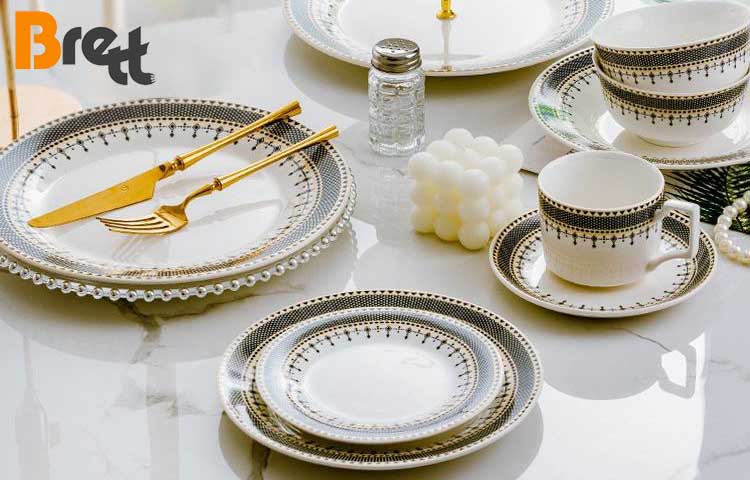
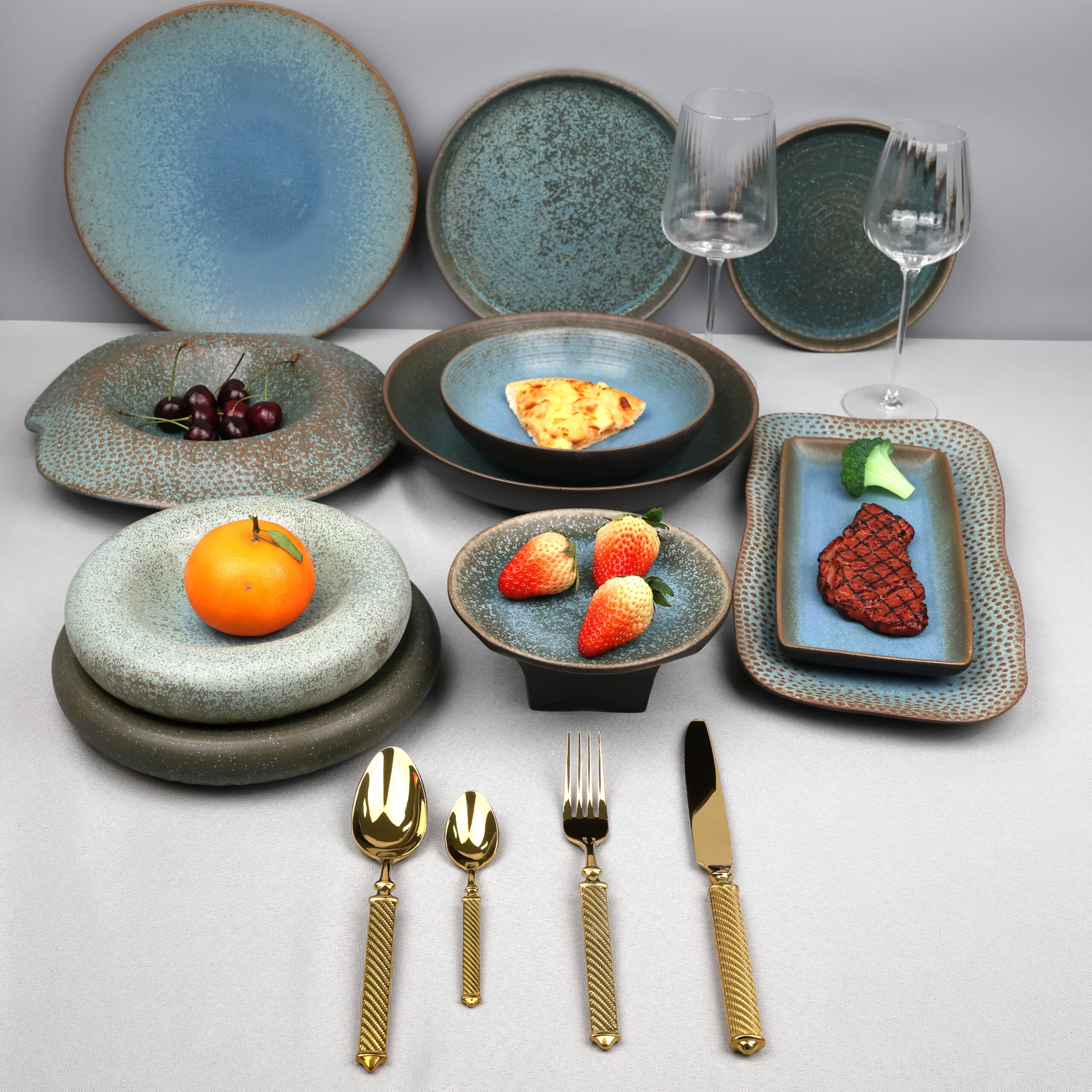
Ceramic glaze is one of the most fascinating and unpredictable aspects of pottery and porcelain making. The same glaze can appear pale green before firing, yet emerge from the kiln as deep turquoise or even amber brown. This magical transformation happens because glaze color is not fixed – it depends on chemical reactions, firing temperatures, and the kiln’s atmosphere. In this article, we’ll explore the science and artistry behind why glaze changes color in the kiln, and how ceramic artists and manufacturers like Brett harness these changes to create unique, high-quality tableware. What Is Ceramic Glaze? Glaze is a vitreous coating applied to ceramic pieces to make them both beautiful and functional. It forms a smooth, glass-like surface that seals the porous clay body, adding color, texture, and protection. Before firing, glaze appears matte and chalky, often bearing little resemblance to its final color. Once fired, however, the ingredients melt, fuse, and chemically transform, revealing stunning hues and textures. The Chemistry Behind Glaze Color At its core, glaze is made from three main components: Silica- forms the glassy surface. Alumina- adds stability and prevents the glaze from running. Fluxes- lower the melting point of silica and help the glaze fuse. To create color, ceramicists add metallic oxides or colorants. These include: Iron oxide- produces earthy tones from yellow to brown or red. Copper oxide- can turn green, turquoise, or red depending on firing atmosphere. Cobalt oxide- yields deep blues. Chromium oxide- gives green hues. Manganese dioxide- results in purples and browns. When exposed to high temperatures, these oxides react with oxygen, fluxes, and the clay body, forming new compounds that alter color. The Role of Kiln Temperature Temperature is one of the most critical factors influencing glaze color. Low-fire glazes (around 1000°C–1100°C) produce bright, glossy colors but are less durable. High-fire glazes (around 1250°C–1300°C) create more muted, natural tones with greater strength and depth. At 1290°C, for instance – a temperature often used in fine porcelain production — glazes undergo complex melting and diffusion reactions. Subtle differences of just 10–20°C can shift a glaze from light jade to smoky blue. Oxidation vs. Reduction: The Kiln Atmosphere Effect Another major factor is the firing atmosphere – whether the kiln environment contains oxygen (oxidation) or limited oxygen (reduction). Oxidation Firing In electric kilns or gas kilns with abundant oxygen, metallic oxides retain their natural oxidized states. For example: Copper oxide → green or turquoise Iron oxide → red-brown or yellow Reduction Firing In reduction atmospheres, oxygen is drawn out of the kiln, and metal oxides lose oxygen atoms. This changes their color-producing properties dramatically: Copper oxide → red or pink Iron oxide → blue-grey or black This is why a glaze can look completely different depending on how it’s fired — the same formula may yield entirely different colors. The Magic of Kiln Change (窑变 / “Yaobian”) One of the most mesmerizing glaze effects is kiln change, known in Chinese as yaobian (窑变). It refers to the unpredictable color variations caused by subtle fluctuations in temperature, atmosphere, and material composition during firing. At Brett, this effect is carefully controlled yet intentionally embraced to give each piece a unique, artistic finish. The result is porcelain that glows with organic transitions — from deep indigo to amber, from jade green to misty white — depending on how the fire “paints” each surface. Common Factors That Cause Glaze Color Changes Let’s summarize the key variables that determine the final color outcome: Factor Effect on Color Temperature Higher heat darkens or matures color; lower heat may leave glaze opaque or dull Atmosphere (oxidation/reduction) Alters chemical state of colorants like copper, iron, or cobalt Firing duration & cooling rate Slow cooling promotes crystal growth and color depth Glaze thickness Thicker applications can deepen or mute hues Clay body color The underlying clay (white, buff, red) influences transparency and tone Kiln placement Different areas of the kiln experience slight temperature and oxygen variations These interacting variables mean that no two firings are ever identical – even with precise control, nature always adds an element of surprise. Why Artisans Embrace Glaze Variations In industrial mass production, consistency is the goal. But in high-end ceramic craftsmanship, variation is a mark of authenticity and artistry. Luxury dinnerware makers like [Brett] embrace the individuality of kiln reactions to create natural, unpredictable color flows that can’t be replicated by machine-made products. Each plate or bowl becomes a one-of-a-kind artwork, reflecting the interplay between fire, earth, and design. This artistic unpredictability is especially prized in collections such as kiln change ceramic dinnerware, where subtle glaze variations elevate table settings with warmth, character, and refinement. Controlling the Uncontrollable While glaze behavior may seem unpredictable, expert ceramicists learn to guide these transformations through years of experimentation. Precise formulation: Adjusting oxide ratios and flux balance. Consistent firing curves: Using digital kiln controllers to manage heat rise and cooling cycles. Atmospheric management: Balancing oxygen levels for desired oxidation or reduction effects. Material testing: Applying small glaze samples to test tiles before mass production. At Brett, we combine traditional craftsmanship with modern kiln technology to achieve both consistency and beauty – ensuring that each dinnerware piece captures the charm of kiln-fired artistry while meeting the standards of fine dining establishments worldwide. (Check out Brett kiln change dinnerware) Conclusion The changing colors of glaze in the kiln are not accidents — they are expressions of chemistry, temperature, and creative mastery. Whether shaped by oxidation, reduction, or the mysterious phenomenon of kiln change, every hue tells the story of fire transforming earth into art. That’s why fine ceramic and porcelain pieces hold timeless appeal: no two are ever identical. Each glaze, each color shift, each gentle gradient is a moment captured in the heat of the kiln – a perfect blend of science and soul.